CMA Explained: How Kenya's Capital Markets Authority Licenses Forex Brokers
What the CMA is, how it licenses online forex brokers, which brokers we review hold its licence, and how to check one on the register before you deposit.
Resource guide · Kenya
How forex brokers are regulated in Kenya: the CMA licenses them, the CBK runs the shilling and the payment rails, and the FRC enforces anti-money-laundering rules. Here is what each one means for your account, and how to check a broker before you deposit.
Yes. Retail online forex trading is legal in Kenya, and the Capital Markets Authority (CMA) licenses the online forex brokers that offer it. Online forex trading was brought under the CMA by the Capital Markets (Online Foreign Exchange Trading) Regulations, 2017.
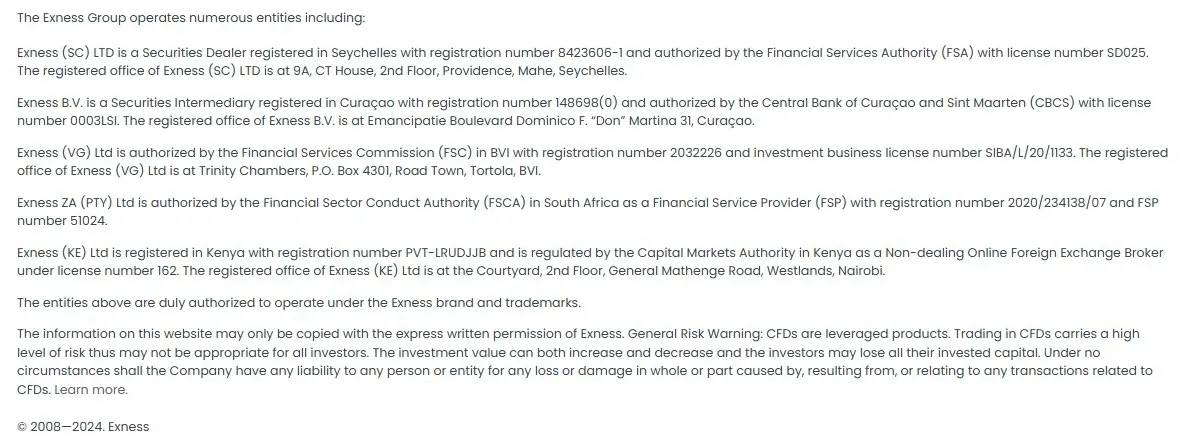
The rule that runs through all of it: check the legal entity that will actually hold your account, not the global brand. A group can hold a CMA licence in Kenya while a Kenyan client's account is opened with a sister company abroad, and that company decides your protections. Once you know what to look for, our ranking of CMA-licensed forex brokers is the place to start.
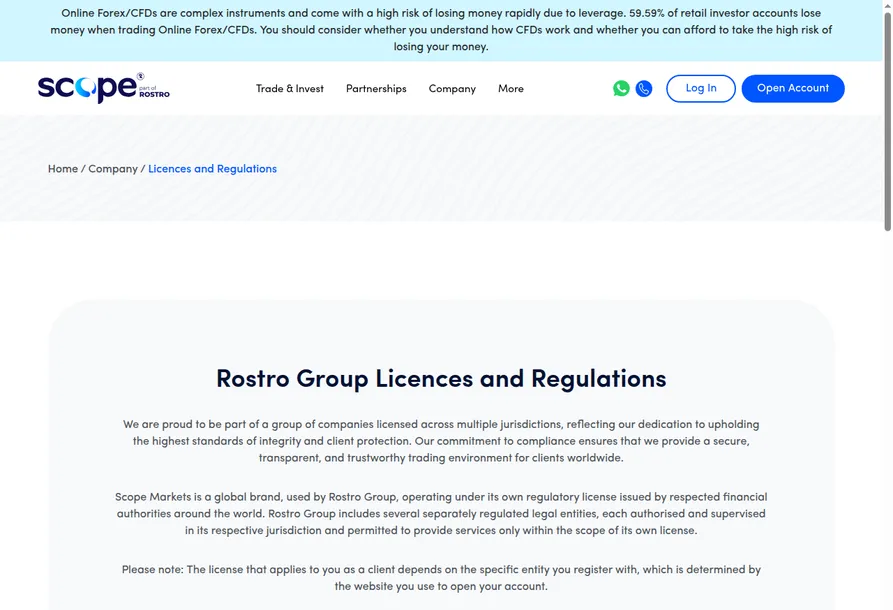
The groups say so themselves. One of those we review lists its companies country by country, and another says the licence that applies to you depends on which of its companies you register with.
Kenya does not split broker supervision between a conduct regulator and a prudential one. The CMA licenses and supervises forex brokers on its own. The other two authorities below matter to a trader, but neither licenses a broker, so neither can stand in for a CMA licence.
Read this as a map, not a ranking. Type each register address yourself rather than following a link from a broker, search the exact legal entity rather than the brand, and confirm that the status is active and the licence covers what you are being sold.
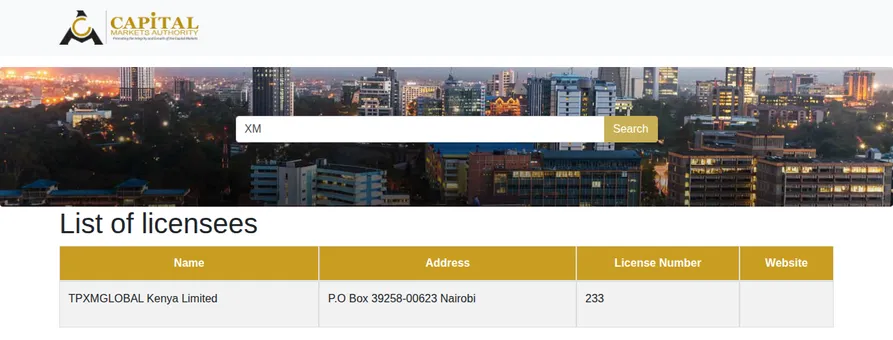
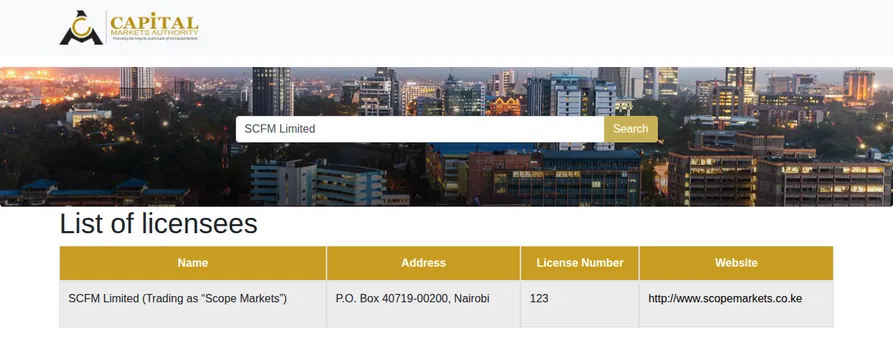
The company name is often not the brand. Searching the CMA register for two of the brokers we review returned companies whose names you would not guess from their websites.
| Regulator | Full name | What it covers | Official site |
|---|---|---|---|
| CMA | Capital Markets Authority | Licenses and supervises online forex brokers and other capital-markets intermediaries. | Official site |
| CBK | Central Bank of Kenya | Supervises banks, payment service providers and the shilling. It does not license forex brokers. | Official site |
| FRC | Financial Reporting Centre | Kenya's financial intelligence unit: anti-money-laundering reporting by banks, brokers and other reporting institutions. | Official site |
The Central Bank of Kenya supervises banks and payment service providers, including mobile-money services, and manages the shilling. It does not license forex brokers. A forex bureau licence, which lets a firm change cash over a counter, is not a licence to offer leveraged forex trading online.
This matters when you fund or withdraw. A broker can accept deposits through a bank or a mobile-money service the CBK supervises without being licensed itself, so treat "central bank regulated" as proof of nothing until you have found the broker on the CMA register.
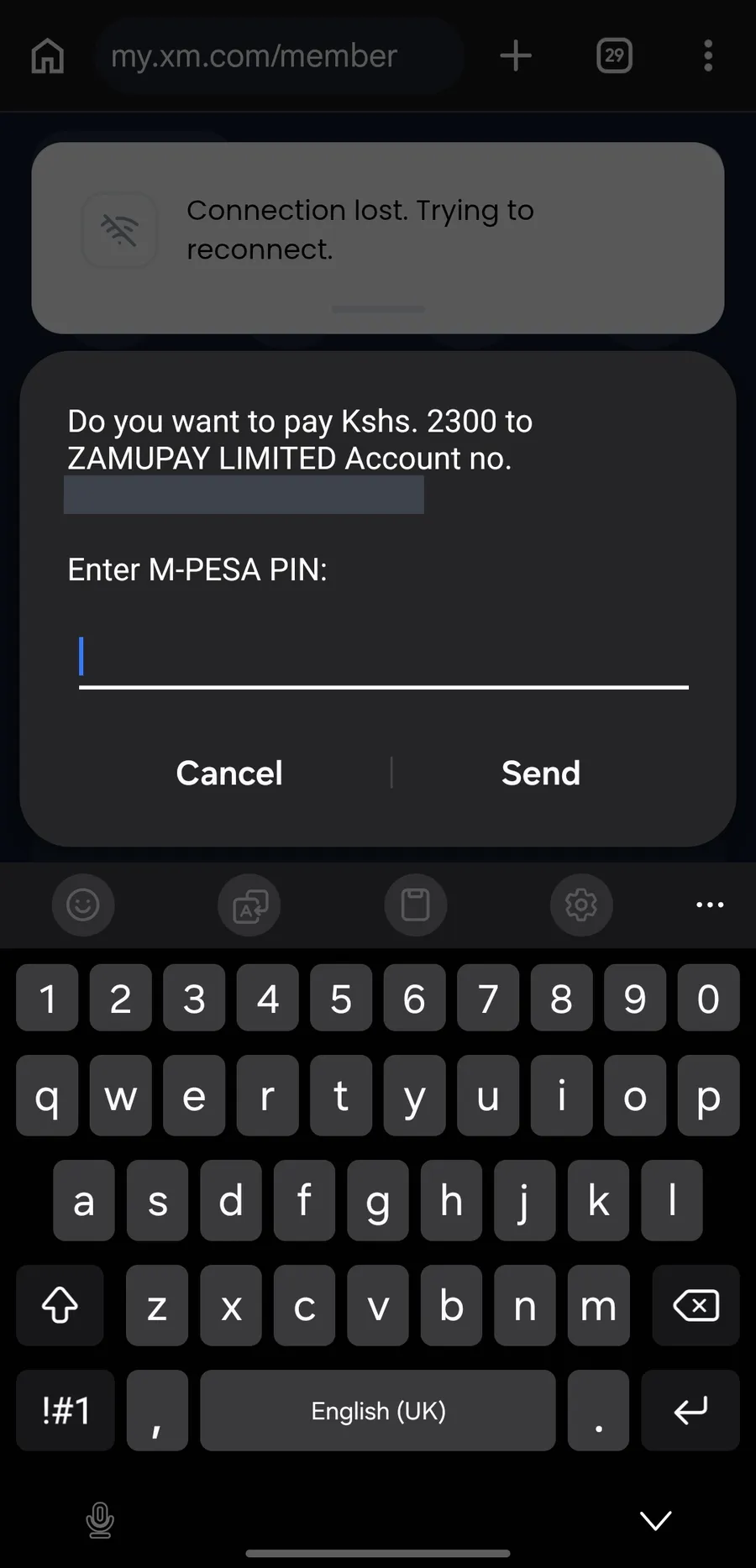
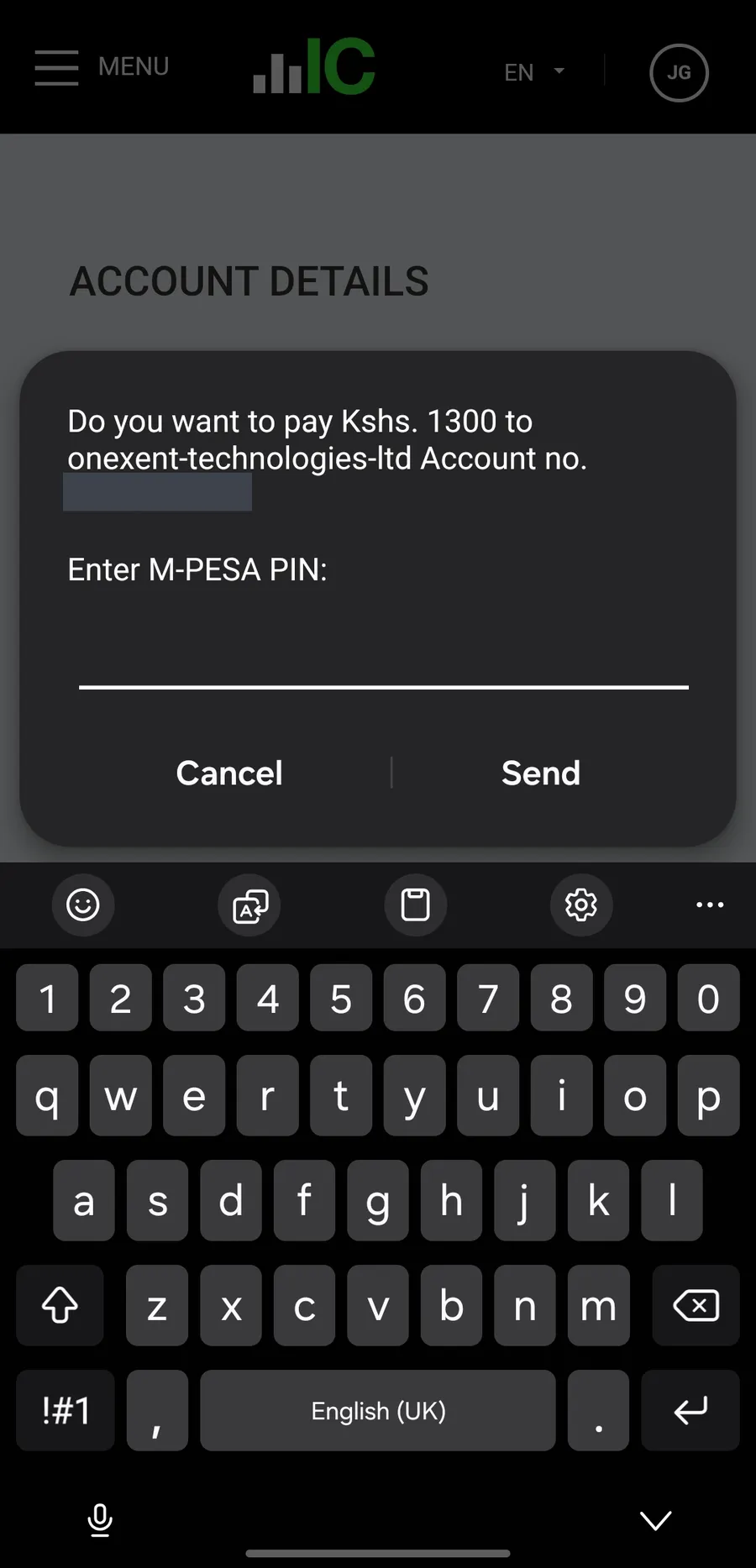
The name on your M-Pesa prompt is not proof either way. In our tests, four brokers' prompts named a payment company rather than the broker's own company, and each deposit was credited to our trading account, so check the broker on the register, not the payee.
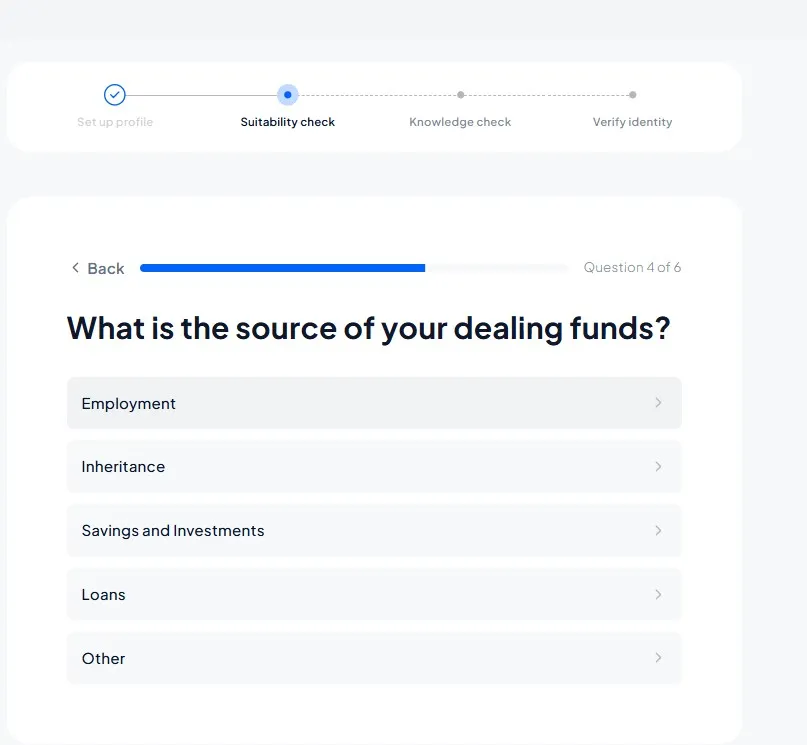
The Financial Reporting Centre (FRC) receives reports from banks and other reporting institutions under the Proceeds of Crime and Anti-Money Laundering Act, 2009. CMA-licensed brokers are reporting institutions too, which is why a licensed broker checks your identity before you trade and may ask where your money came from before a large deposit or withdrawal.
The FRC does not license brokers or settle complaints about them. A broker that skips identity checks altogether is a warning sign, not a convenience.
Here is what those checks looked like when we opened real accounts: questions on where the money comes from, and a face check to match you to your ID.
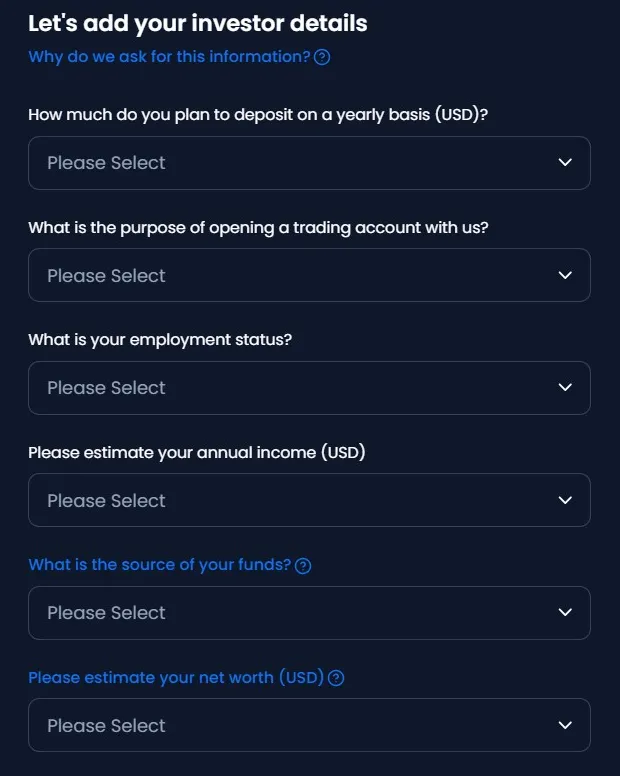
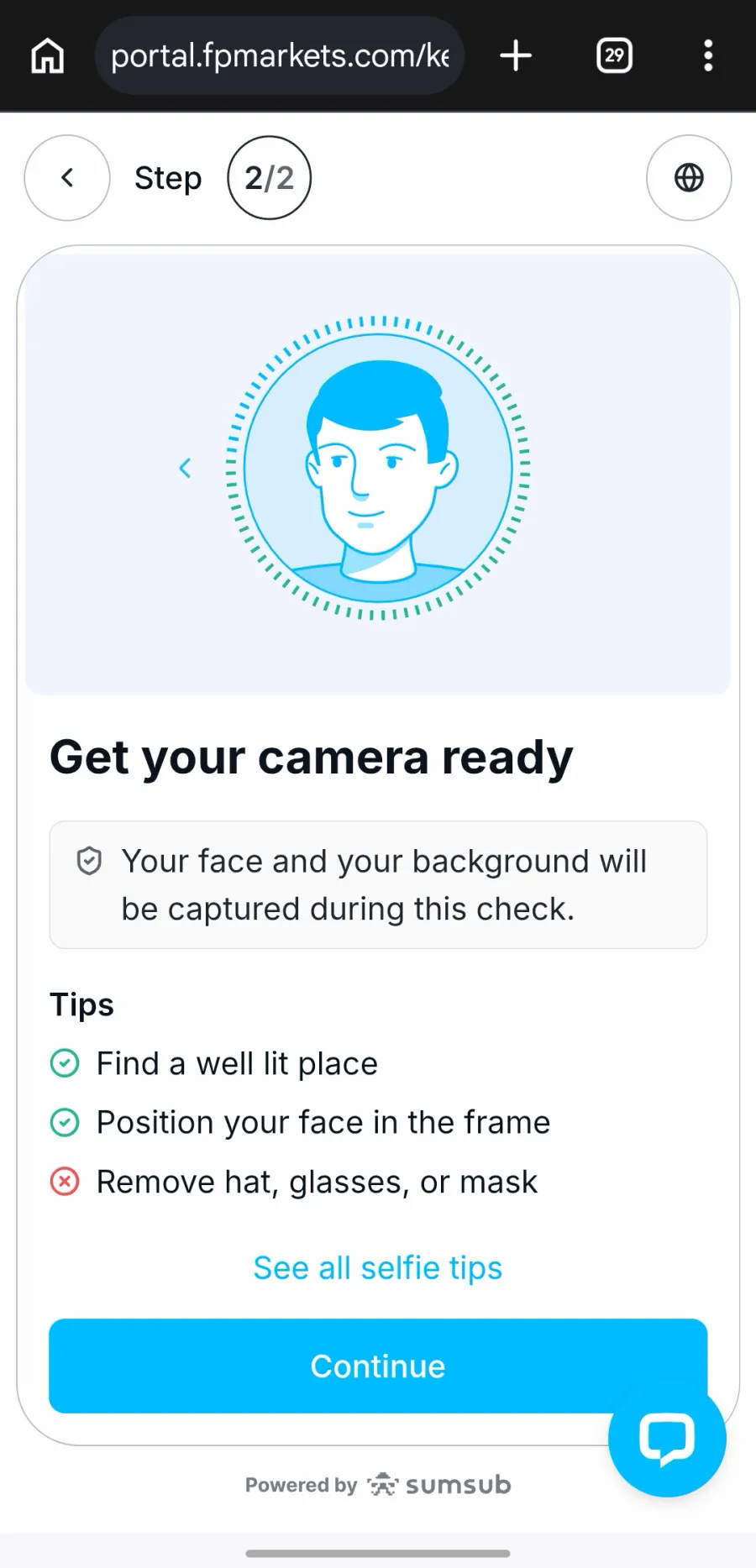
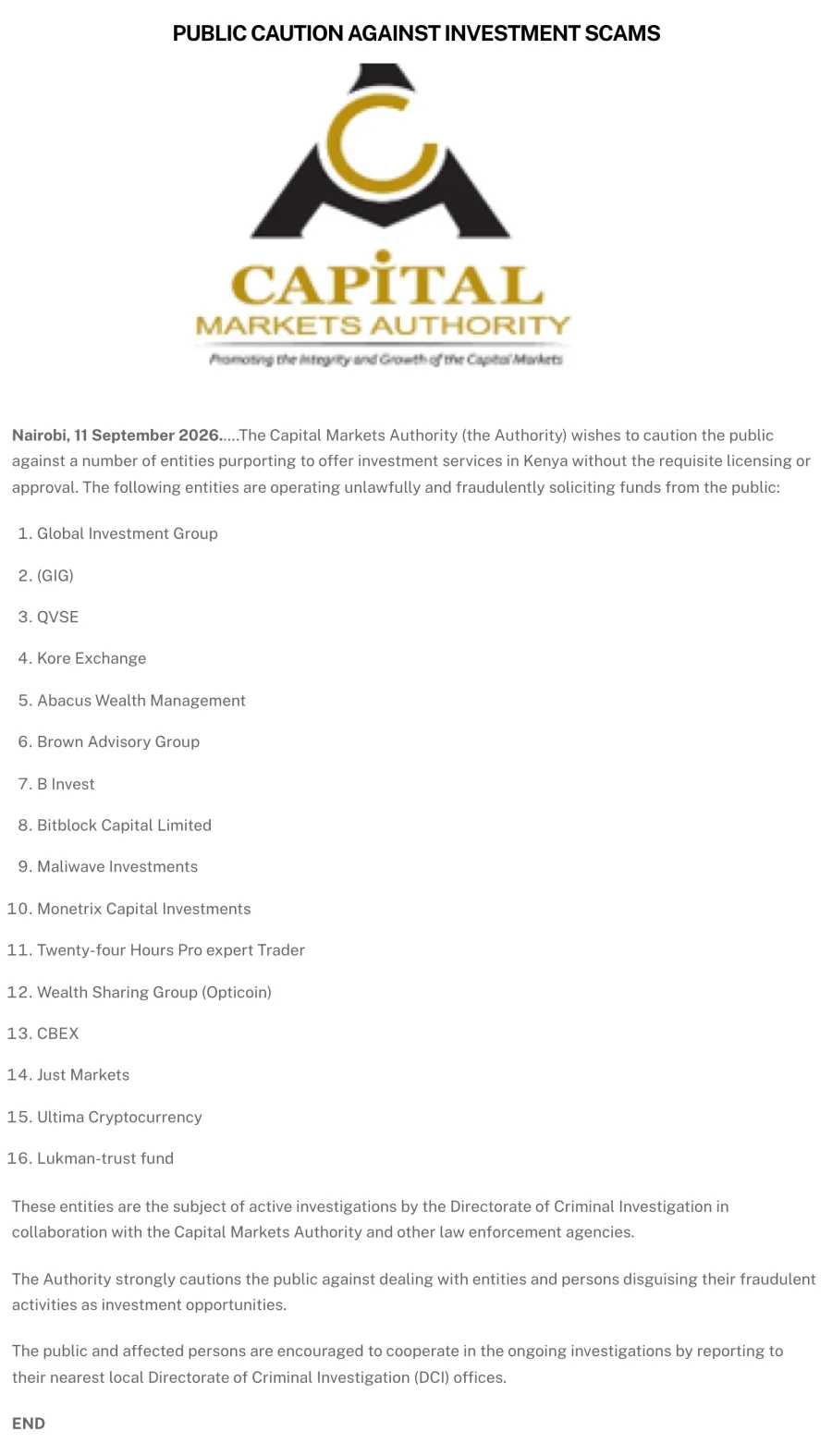
Unlicensed firms and clones of licensed ones target Kenyan traders through social media and messaging apps. Before you send money, find the exact company on the CMA register, then check it against the public warnings.
The warnings are not rare. On 11 September 2026 the CMA named 15 entities that it said "are operating unlawfully and fraudulently soliciting funds from the public", and our warning list carries every one of them.
What the CMA is, how it licenses online forex brokers, which brokers we review hold its licence, and how to check one on the register before you deposit.
What the Central Bank of Kenya does for a forex trader: the shilling, banks and the payment rails you fund an account through. And what it does not do, which is license forex brokers.
What the Financial Reporting Centre is, why it means a licensed broker checks your identity and asks where your money came from, and what it does not do.
Forex brokers in Kenya are licensed by the CMA. Some brands serve Kenyan clients through an overseas company instead of, or as well as, a local one, so always confirm which entity holds your account and check it on the CMA register.

Giles Thomas is Executive Director at FOE Global, a UAE-based family office and private equity advisory firm. He leads the broker research for BestForexBroker and writes its reviews, checking each broker against the CMA's licensee register and its client agreement rather than its marketing.