The Central Bank of Kenya (CBK) is Kenya's central bank. It does not license online forex brokers; the CMA does. But it supervises the banks and payment services you fund a trading account through, and it manages the currency your deposits start in, so it shapes what trading costs you and how your money moves.
What the CBK does
For a forex trader, the CBK's remit comes down to three things:
- The shilling: the CBK runs monetary policy and manages the KES, the currency most Kenyan traders deposit in.
- Banks and payment services: it licenses and supervises banks, and payment service providers including mobile-money services under the National Payment System Act, 2011.
- Forex bureaus: it licenses the firms that change cash over a counter.
What the CBK does not do
The CBK does not license online forex brokers, supervise their conduct or handle complaints about them. Those sit with the CMA.
So treat "regulated by the central bank" as a claim to check rather than a reassurance. A broker can bank with a CBK-supervised bank, and take deposits through a CBK-supervised payment service, without holding any licence of its own.
The CBK has warned about this itself. Its public notice of 16 August 2019 described online forex dealers and apps, marketed through social media and mass emails, that hold no CBK or CMA licence, and told the public to confirm a dealer's licence on the CBK or CMA website before dealing with it.
Funding your account: the payment rails
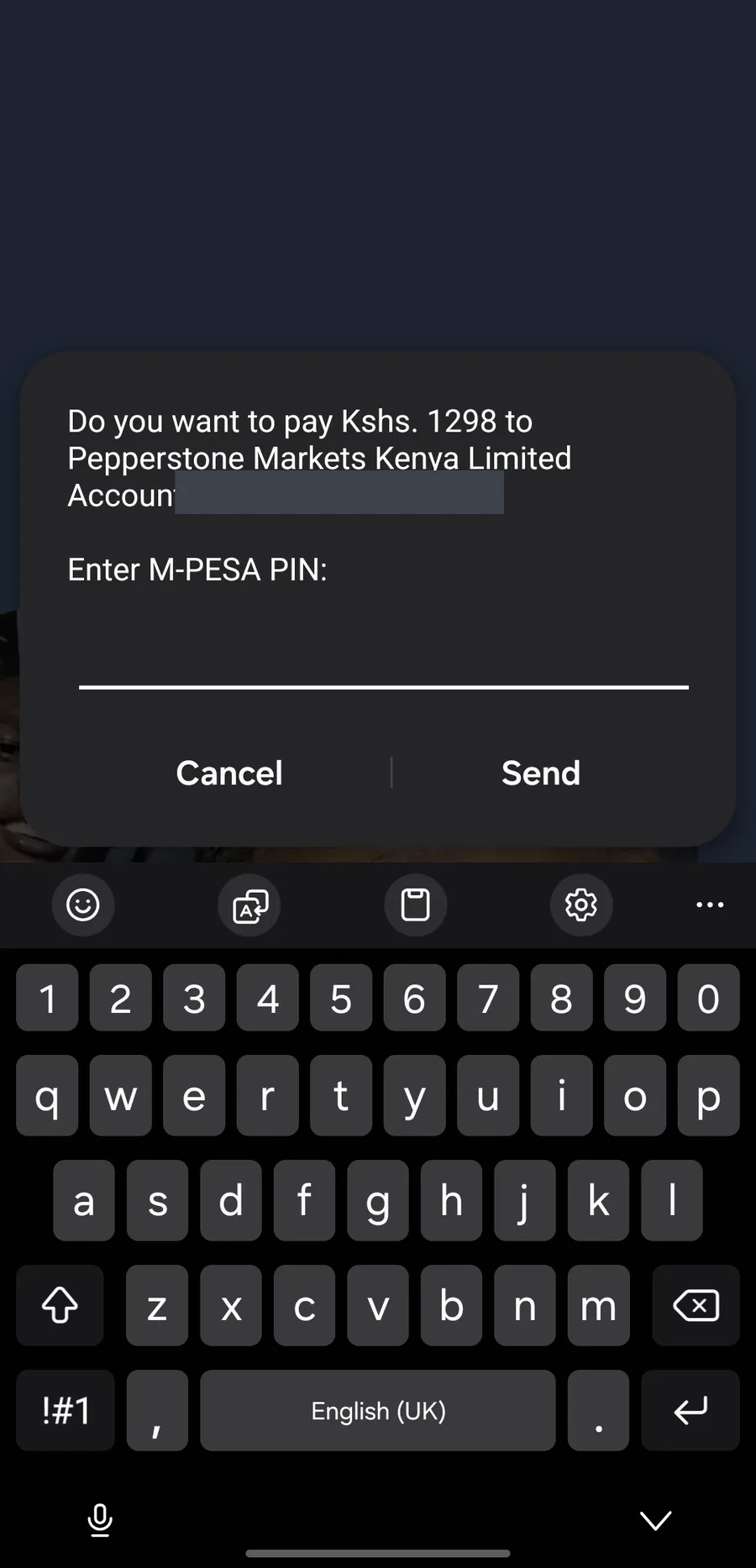
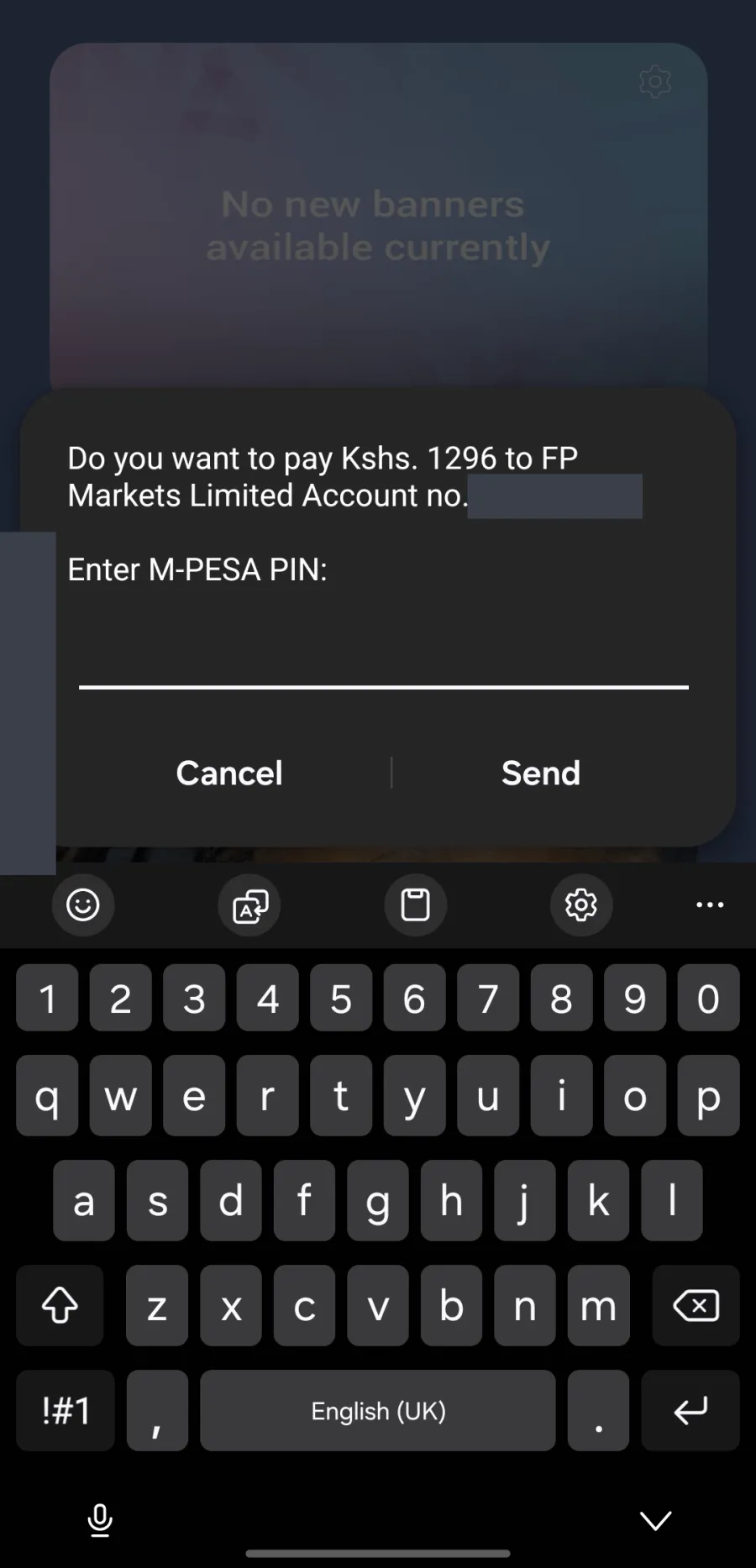
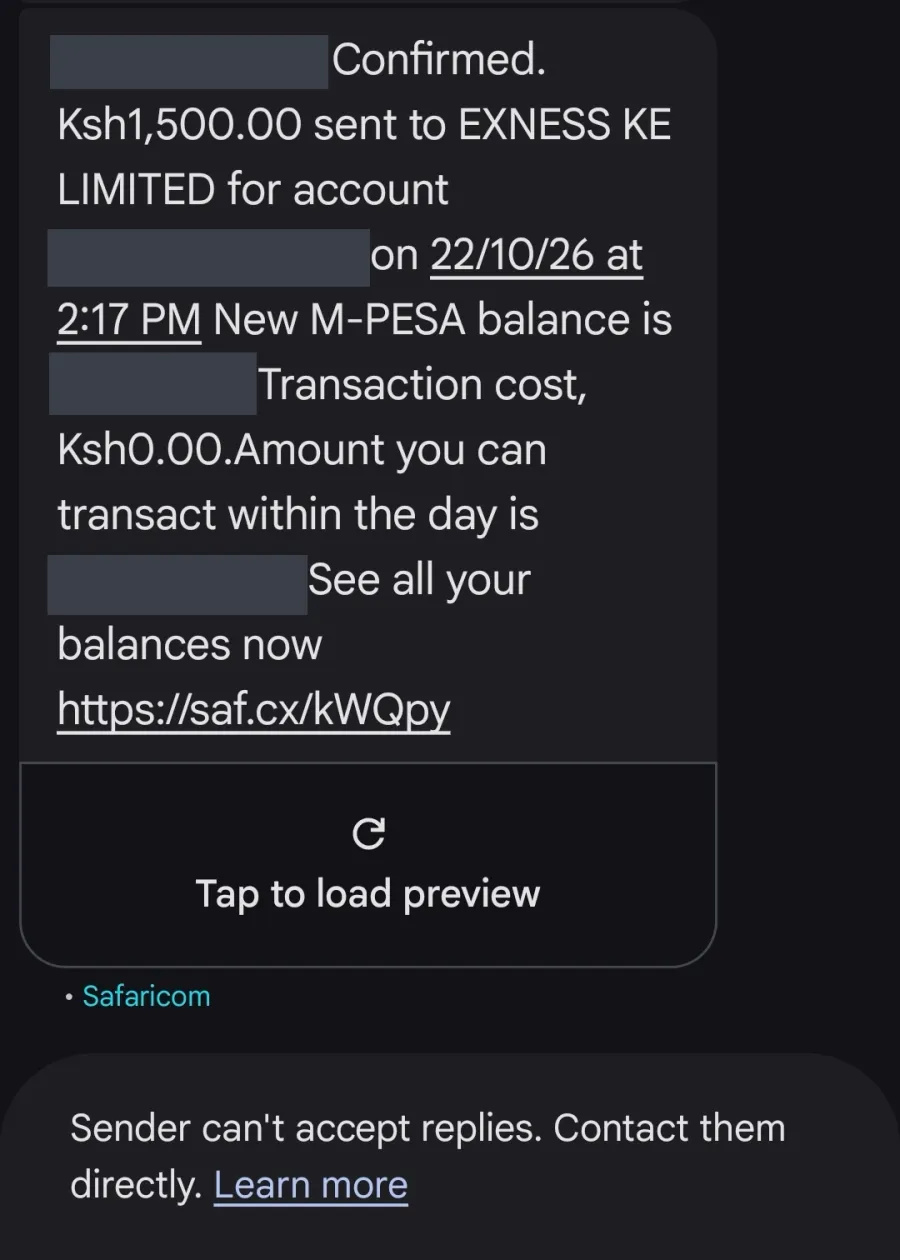
How you fund a trading account decides how fast your money arrives, what it costs, and how easily it comes back. Whichever route you use, read the name you are paying: with the three brokers below, the M-Pesa prompt or receipt named the broker's own licensed company, but at four others we tested it named a payment company instead, and each of those deposits was credited to our trading account. The common routes:
- Bank transfer, local or international.
- Card payments.
- Mobile money, such as M-Pesa.
Mobile money is the route we tested at every broker we review. You enter an amount in the client area, approve an M-Pesa prompt on your phone, and on our tests between 22 and 29 October 2026 the money arrived within minutes. Withdrawals went back to the same M-Pesa number and took from under a minute to about a day, depending on each broker's processing cut-off, and most charged no fee. We have not tested bank transfers or cards: brokers quote from one to fifteen working days for a bank withdrawal, and the terms we read send money back to the method you paid in with, cards first.
The shilling and your account currency
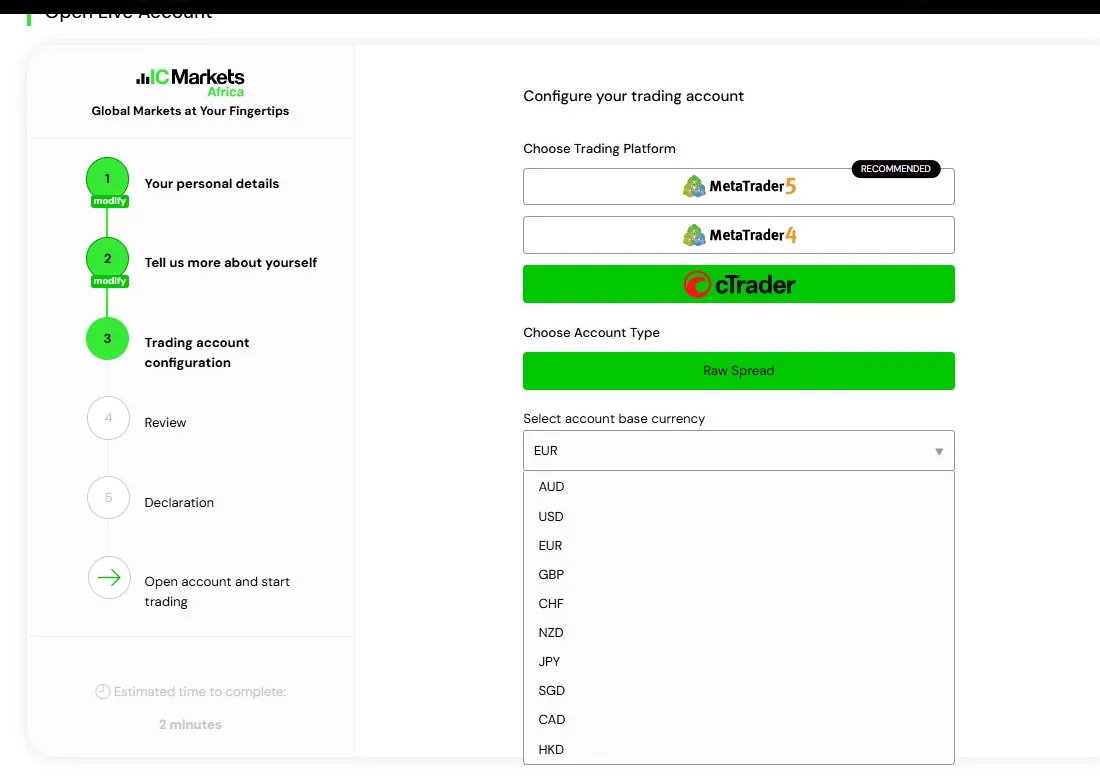
Most international brokers hold accounts in US dollars, and some offer KES accounts. If you deposit shillings into a dollar account, the money is converted on the way in and again on the way out, and the rate you get can cost more than the spread on your trades.
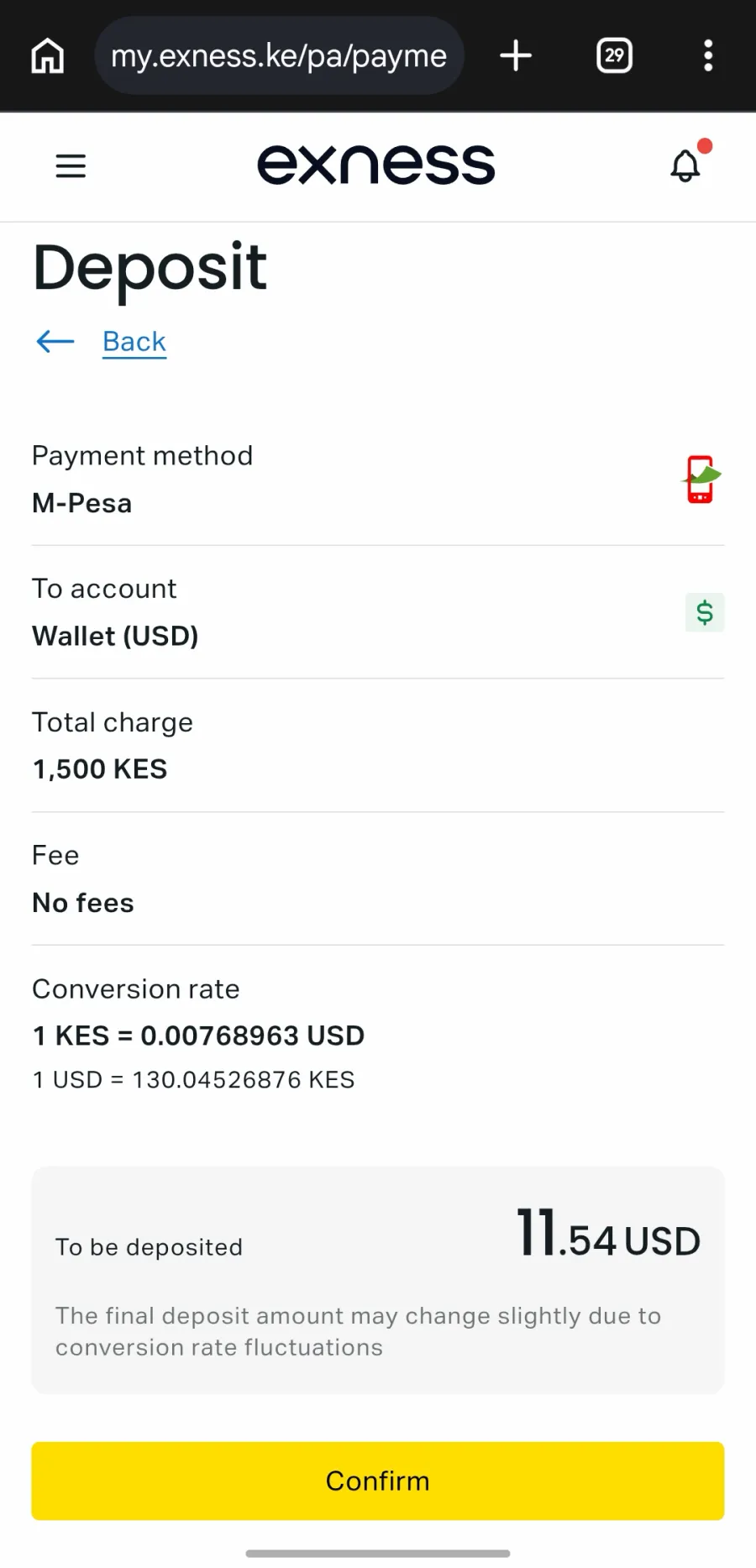
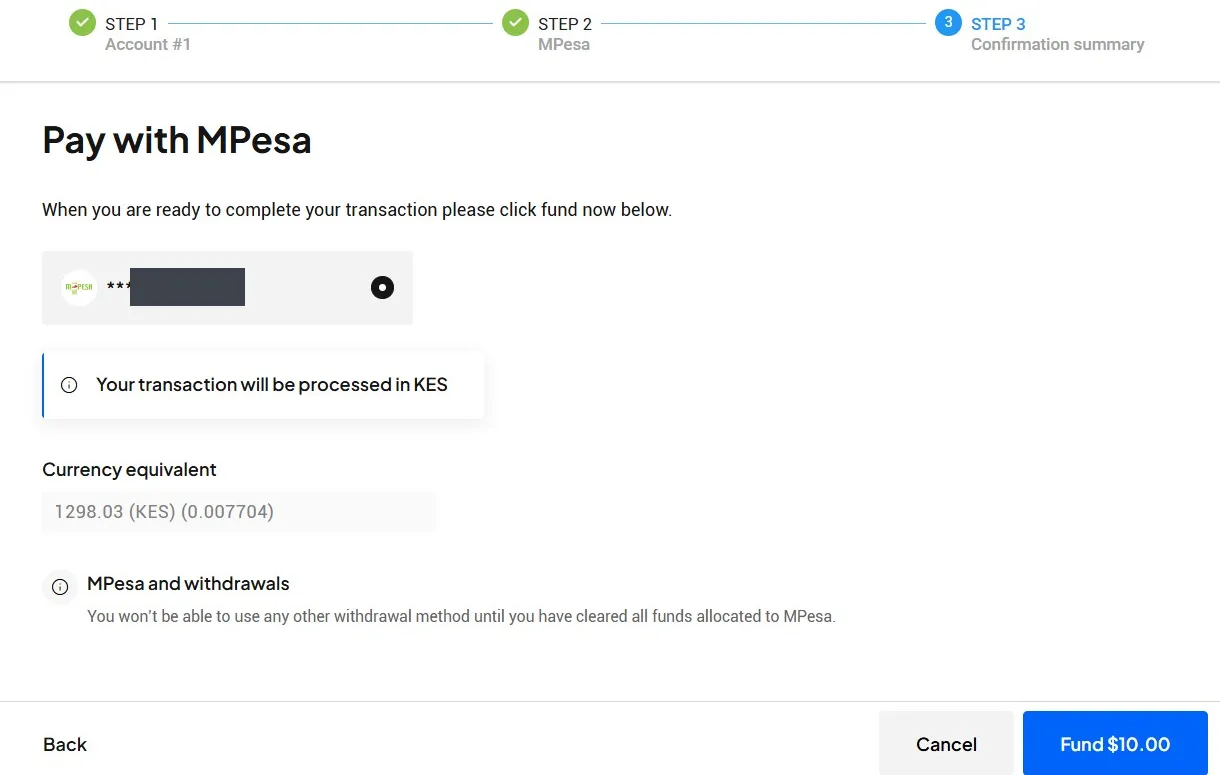
Below are two conversions we were quoted when we funded real accounts by M-Pesa, and one broker's list of account currencies, which has no shilling.
A broker sets its own rate at the moment of each conversion. On our M-Pesa tests between 22 and 29 October 2026 the rates ranged from about 126 to 134 shillings per dollar, and the gap between a broker's deposit and withdrawal rates cost us from nothing to about 6 percent of the money we moved. Of the brokers we review, FXPesa offers KES accounts and Exness lists KES as an account currency; we have not tested either, and held US dollar accounts at all ten.