
The Capital Markets Authority (CMA) is the regulator that licenses online forex brokers in Kenya. This guide explains what it covers, how it differs from the CBK and the FRC, which of the brokers we review hold its licence, and how to check one yourself before you deposit.
What is the CMA?
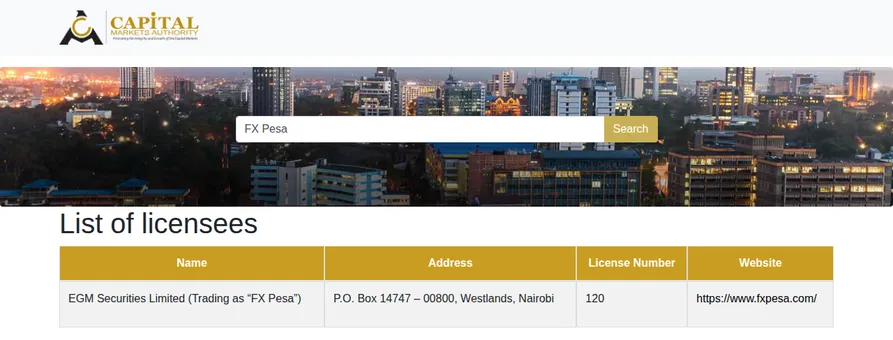
The Capital Markets Authority licenses, supervises and takes enforcement action against firms that offer capital-markets services in Kenya, online forex brokers among them. It was established in 1989 under the Capital Markets Act (Cap. 485A), and online forex trading was brought under it by the Capital Markets (Online Foreign Exchange Trading) Regulations, 2017 (Legal Notice 226 of 2017, amended in 2023). Its first online forex licence went to EGM Securities, which trades as FXPesa.
In one line: a broker that is genuinely CMA-regulated holds a CMA licence and appears on the CMA's register of licensees under the exact company name in your client agreement.
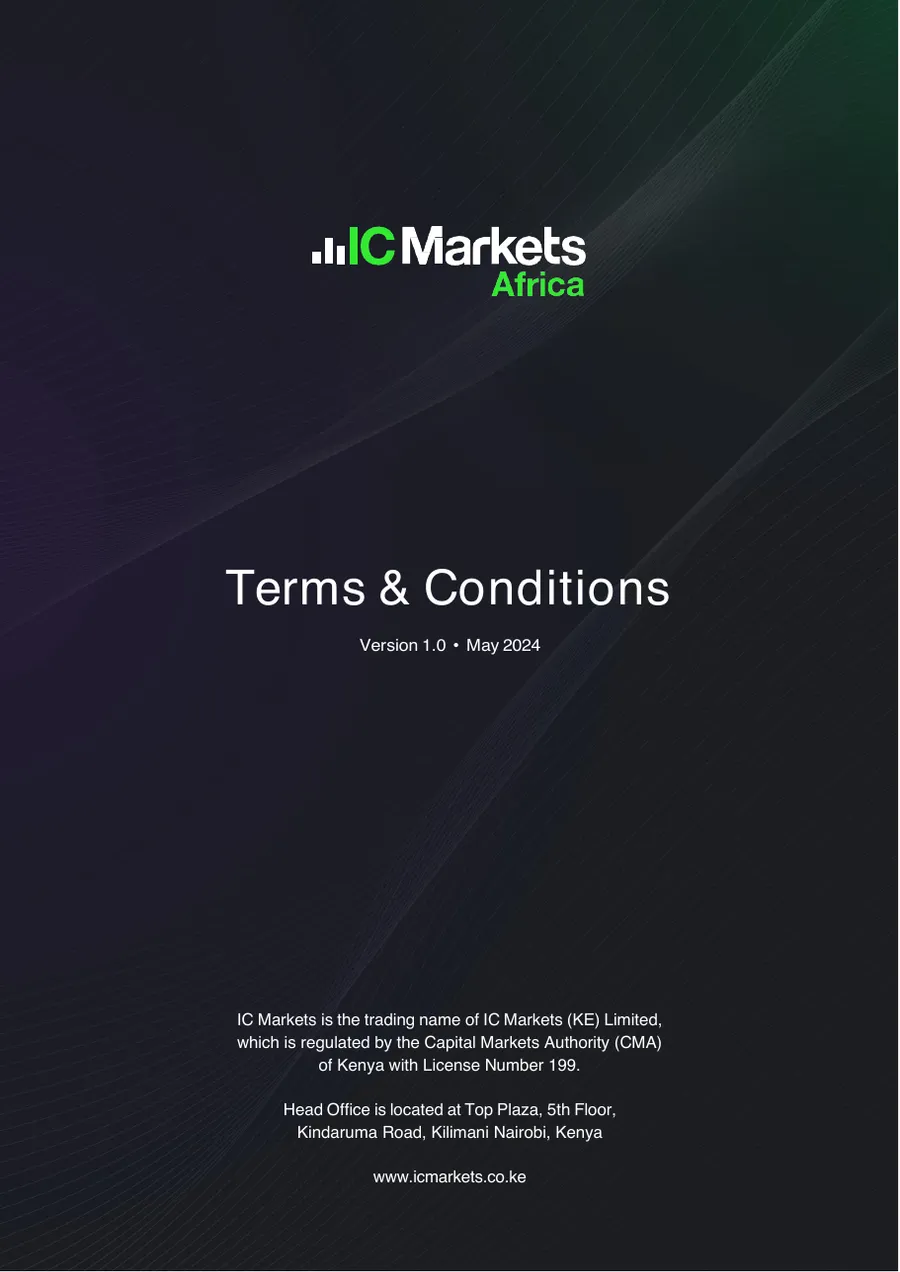
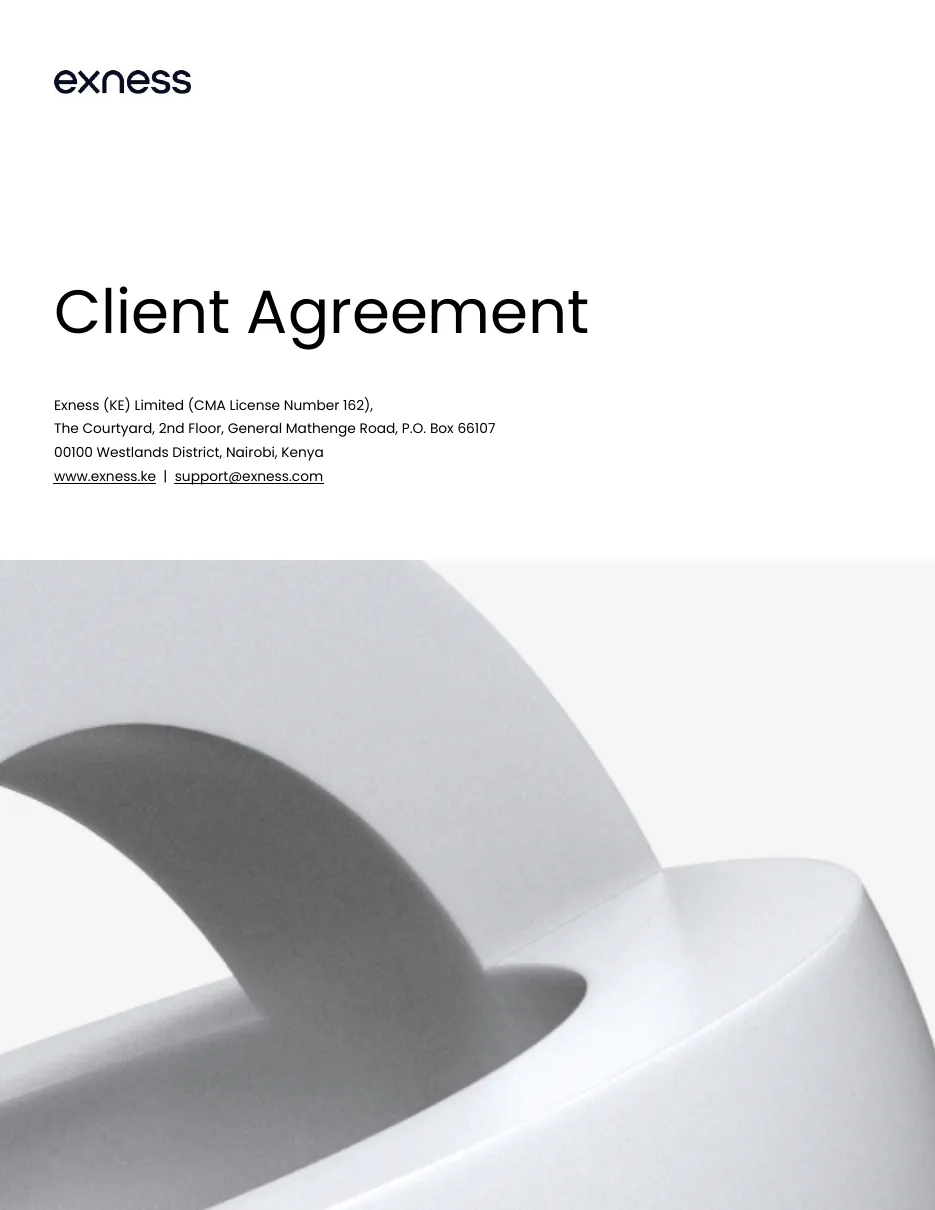
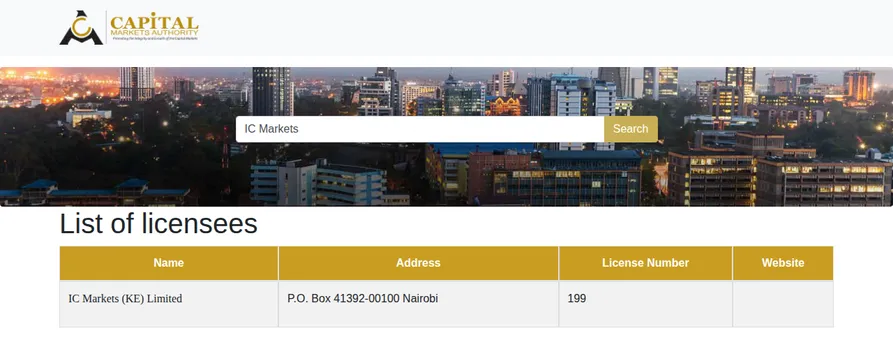
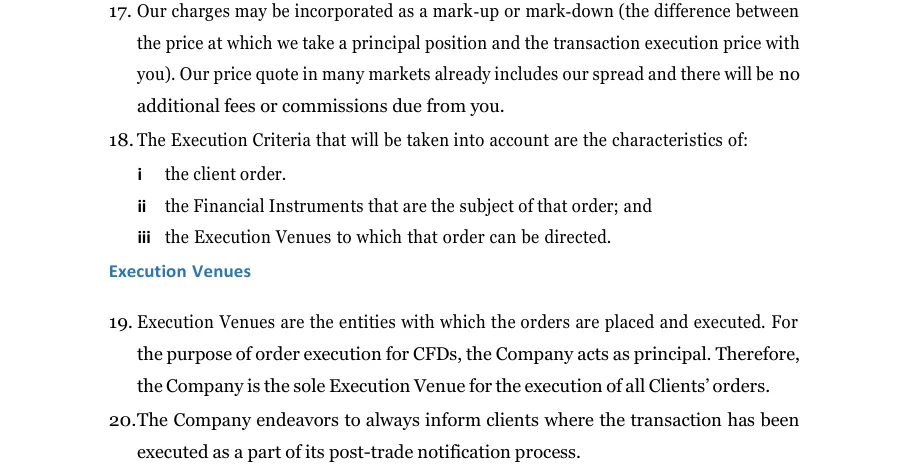
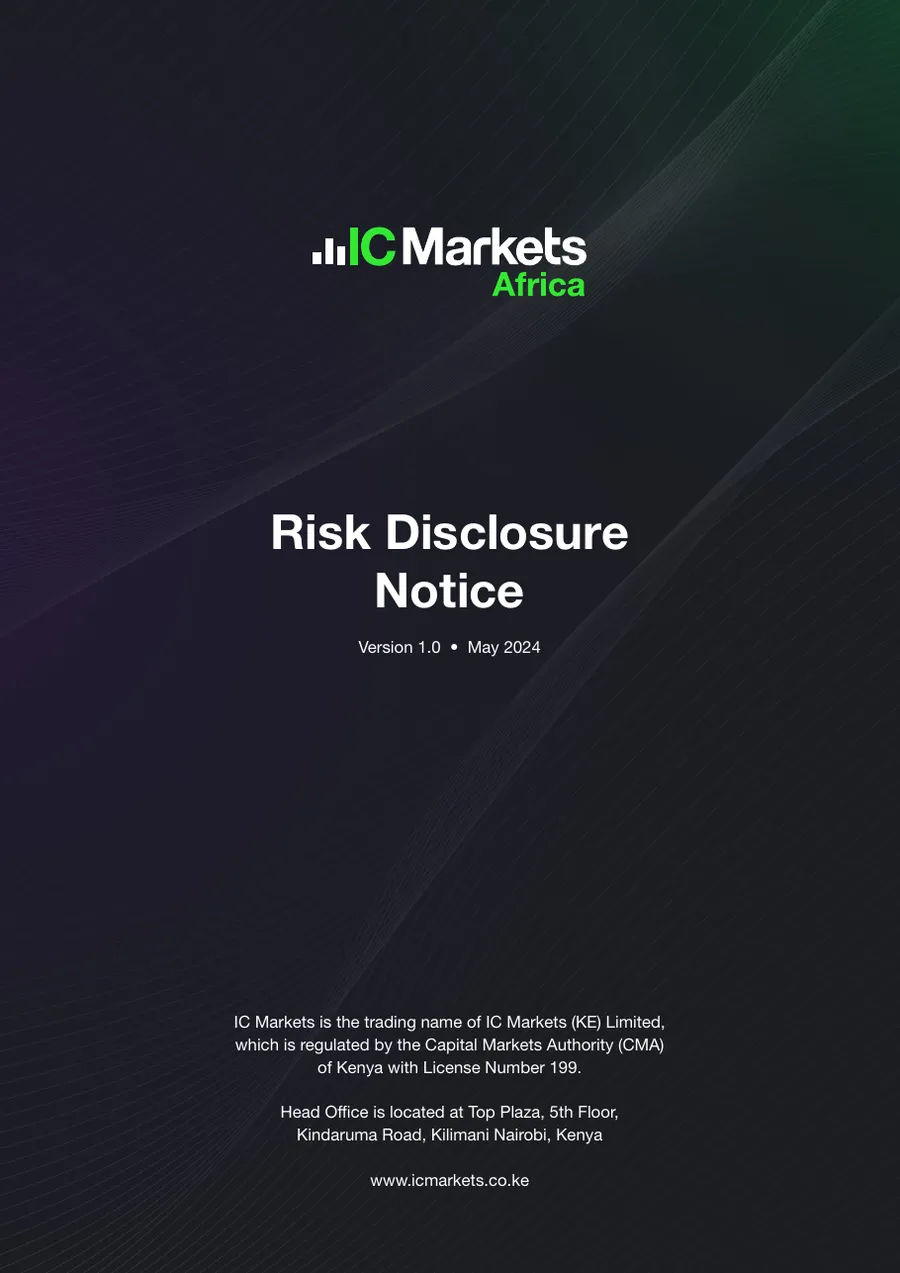
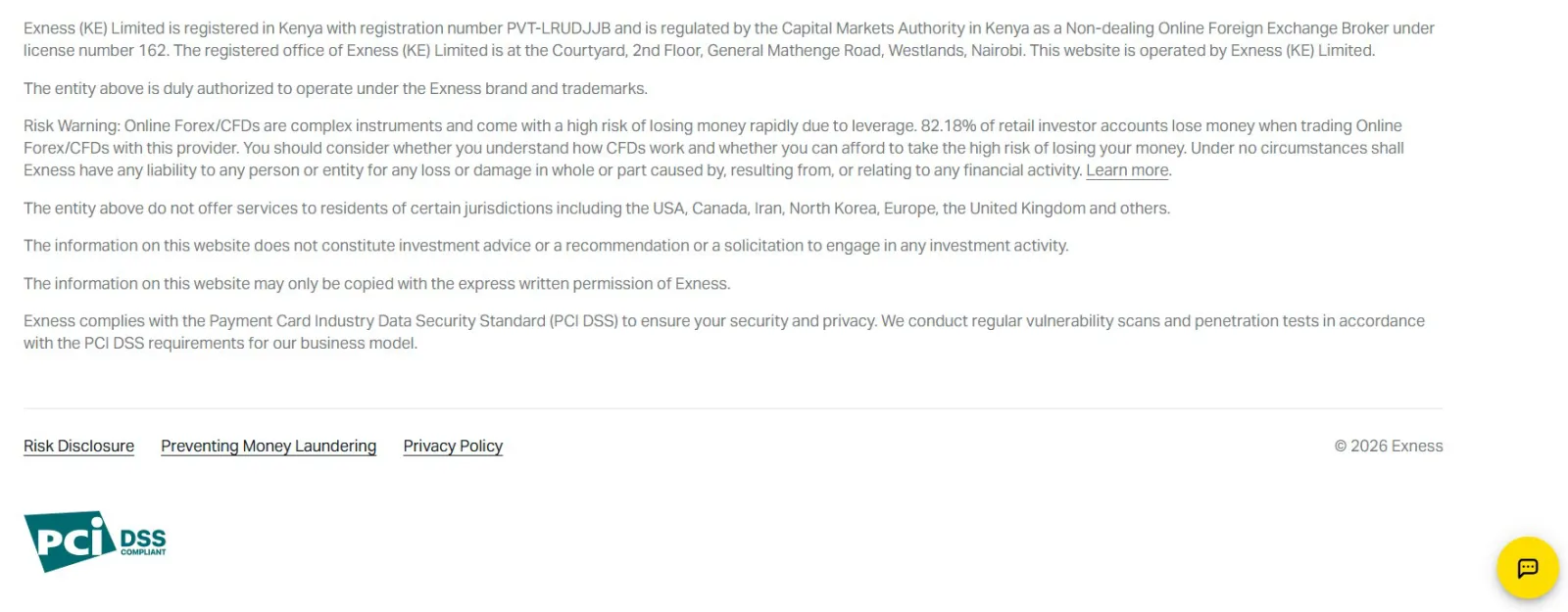
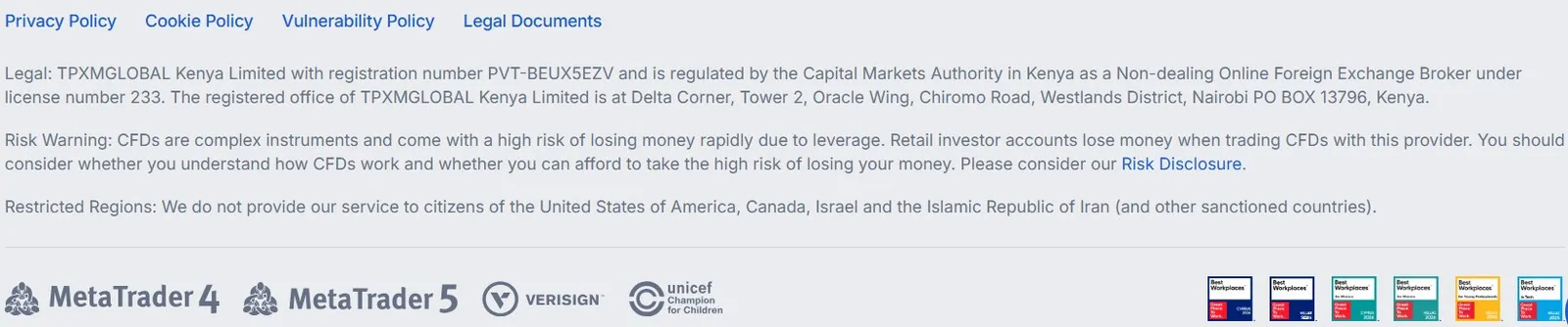
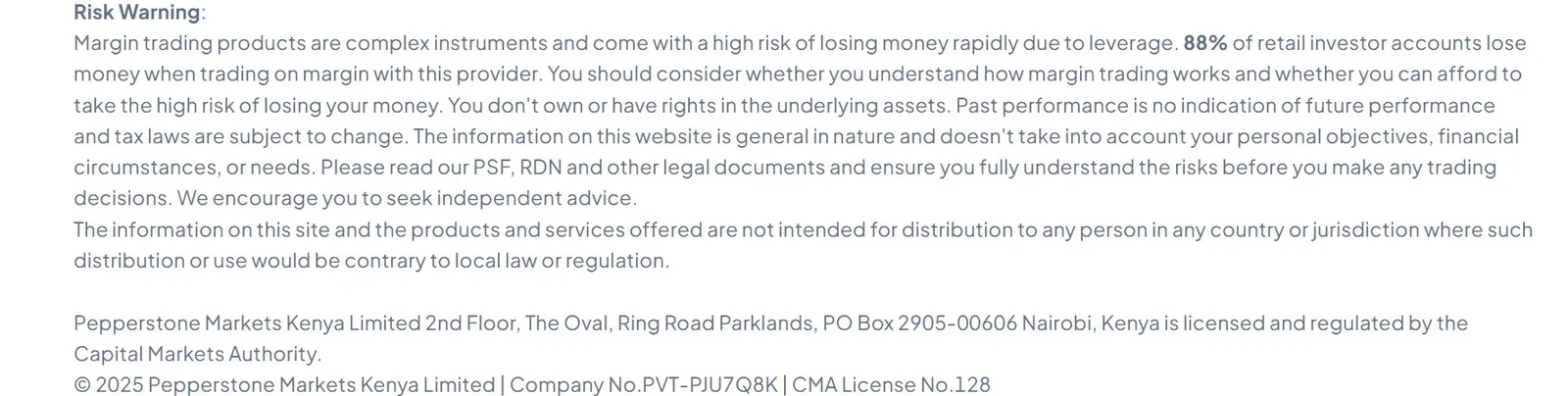
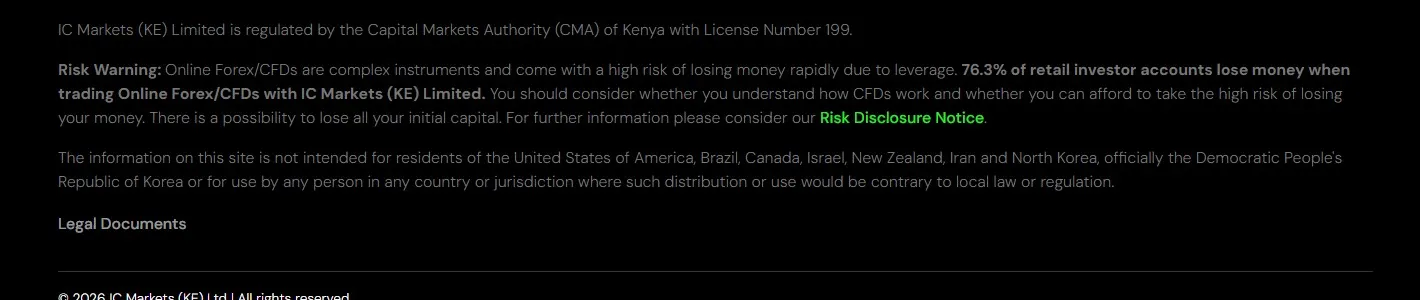
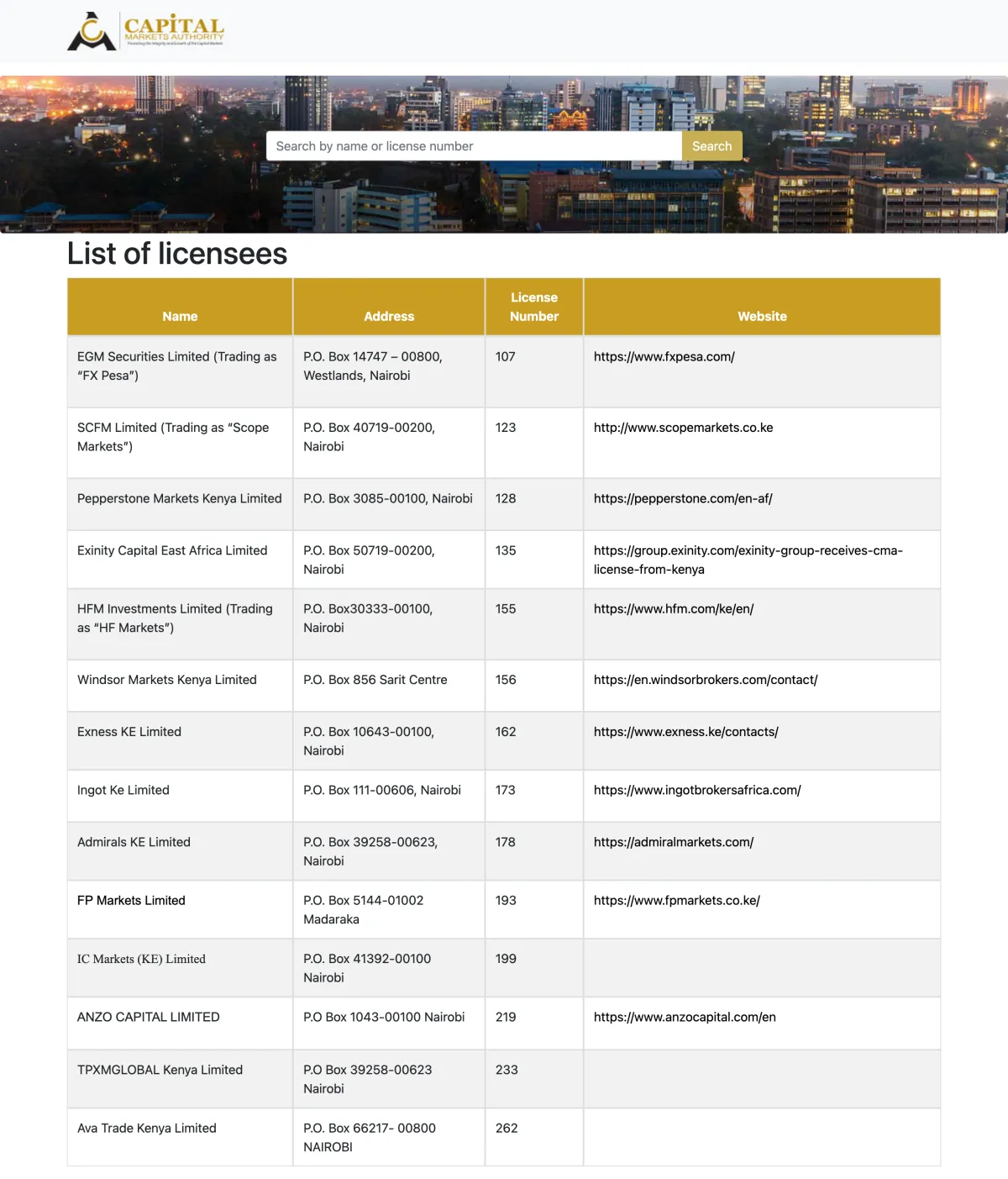
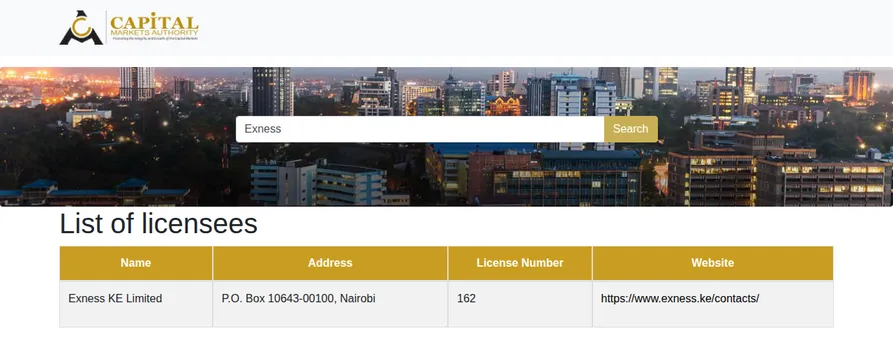
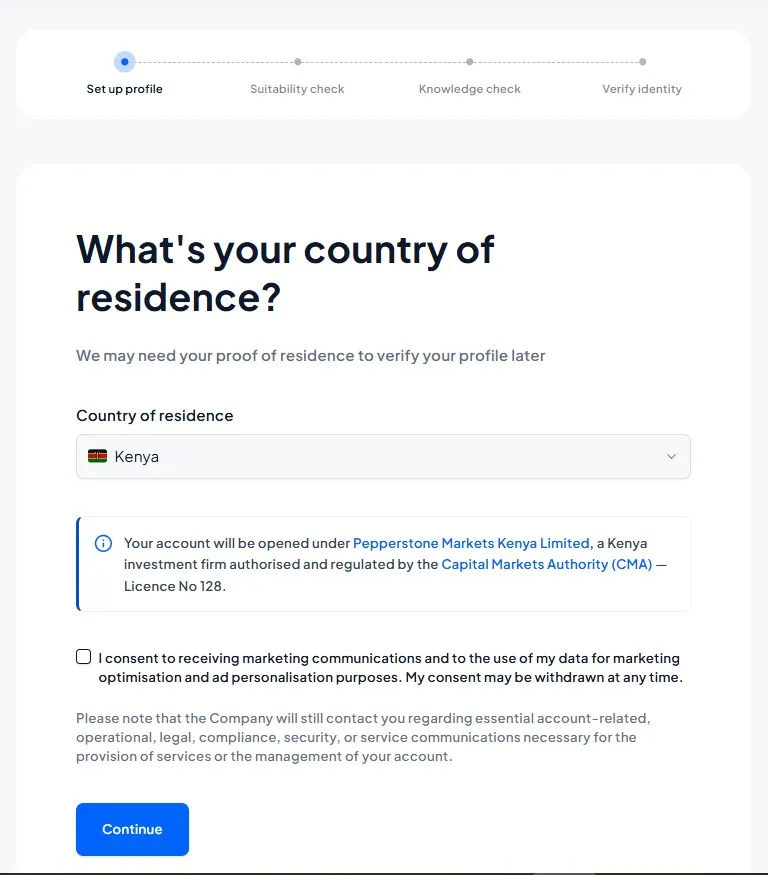
Below, two client agreements that name the Kenyan company and its licence number, then the register entry that matches the first: the same company at the same number.
The CMA and the other regulators
The CMA is the only one of the three that licenses forex brokers. The CBK and the FRC matter to a trader for other reasons, and neither can stand in for a CMA licence.
| Regulator | Full name | What it covers | Official site |
|---|---|---|---|
| CMA | Capital Markets Authority | Licenses and supervises online forex brokers and other capital-markets intermediaries. | Official site |
| CBK | Central Bank of Kenya | Supervises banks, payment service providers and the shilling. It does not license forex brokers. | Official site |
| FRC | Financial Reporting Centre | Kenya's financial intelligence unit: anti-money-laundering reporting by banks, brokers and other reporting institutions. | Official site |
What the CMA licenses
The 2017 Regulations create three online forex licences, and the CMA's register keeps a separate list for each. There is no introducing-broker licence among them.
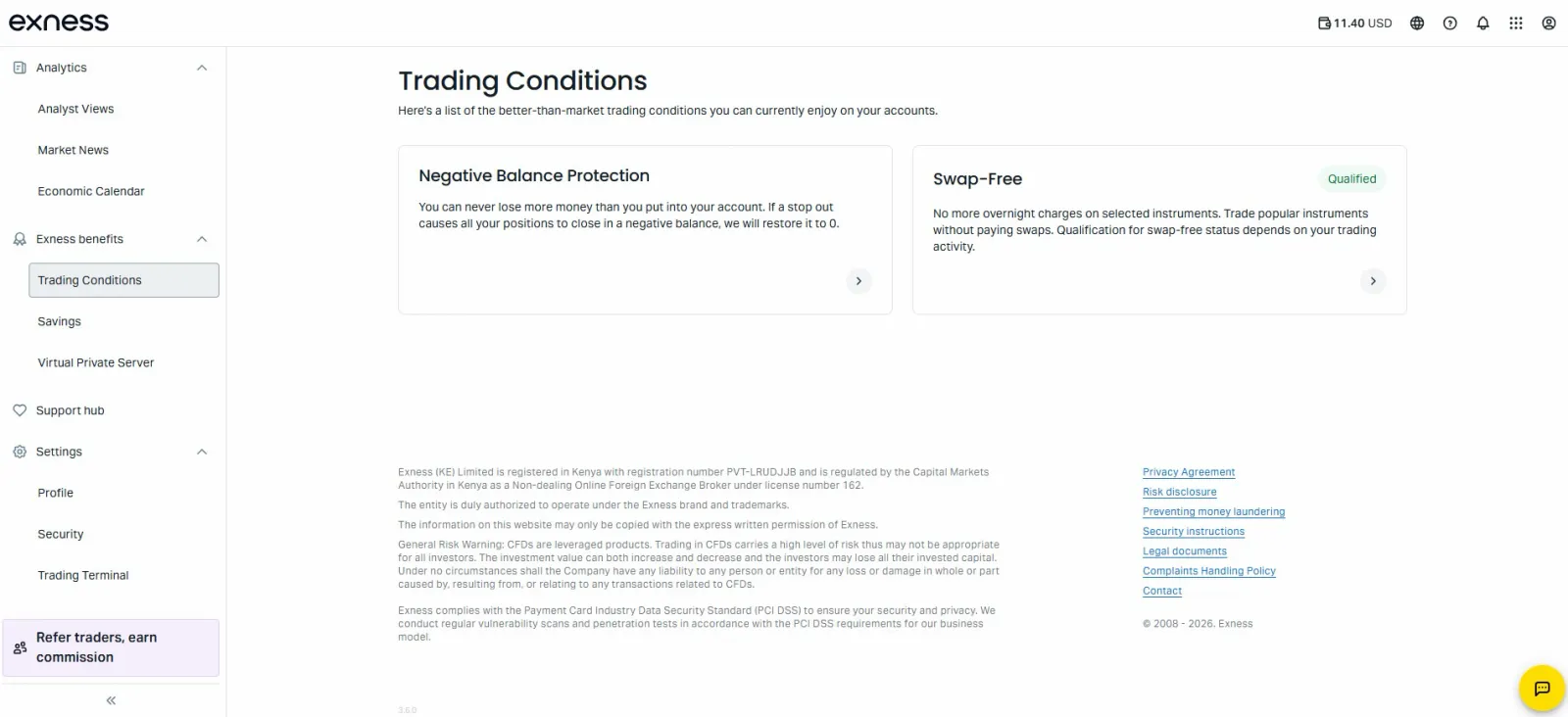
The category matters more than the fact that a licence exists. The 2017 Regulations define a dealing online foreign exchange broker as an entity licensed by the CMA "to engage in the business of online foreign exchange trading as principal and market maker", and a non-dealing one as an entity licensed by the CMA that "acts as a link between the foreign exchange market and a client in return for a commission or mark-up in spreads and does not engage in market making activities" (reg. 2). Exness (KE) Limited, for example, is licensed as a non-dealing online foreign exchange broker. Check which list the company is on, and the counterparty named in your client agreement.
Two things to know when you read the lists. The same company can appear on more than one, with a different number on each: the CMA also keeps a list of derivatives brokers, which is not an online forex licence. And the list a company is on does not tell you how its documents describe the handling of your trades: one broker on the non-dealing list, which is also on the derivatives list, says in its execution policy that it acts as principal on CFDs. Read the counterparty clause in your agreement as well.
| Licence | What it permits | On the CMA register |
|---|---|---|
| Dealing online foreign exchange broker | Trades as principal and market maker (reg. 16(2)), so it can be the counterparty to your trades. | 2 companies |
| Non-dealing online foreign exchange broker | Links you to the forex market for a commission or a mark-up on the spread, and does not make markets. | 14 companies |
| Online foreign exchange money manager | Manages a client's forex portfolio for a fee based on the assets it manages, and may not receive client money (reg. 24). | 3 companies |
What CMA regulation means for you
A CMA licence is a meaningful signal. The 2017 Regulations hold a licensed online forex broker to these rules:
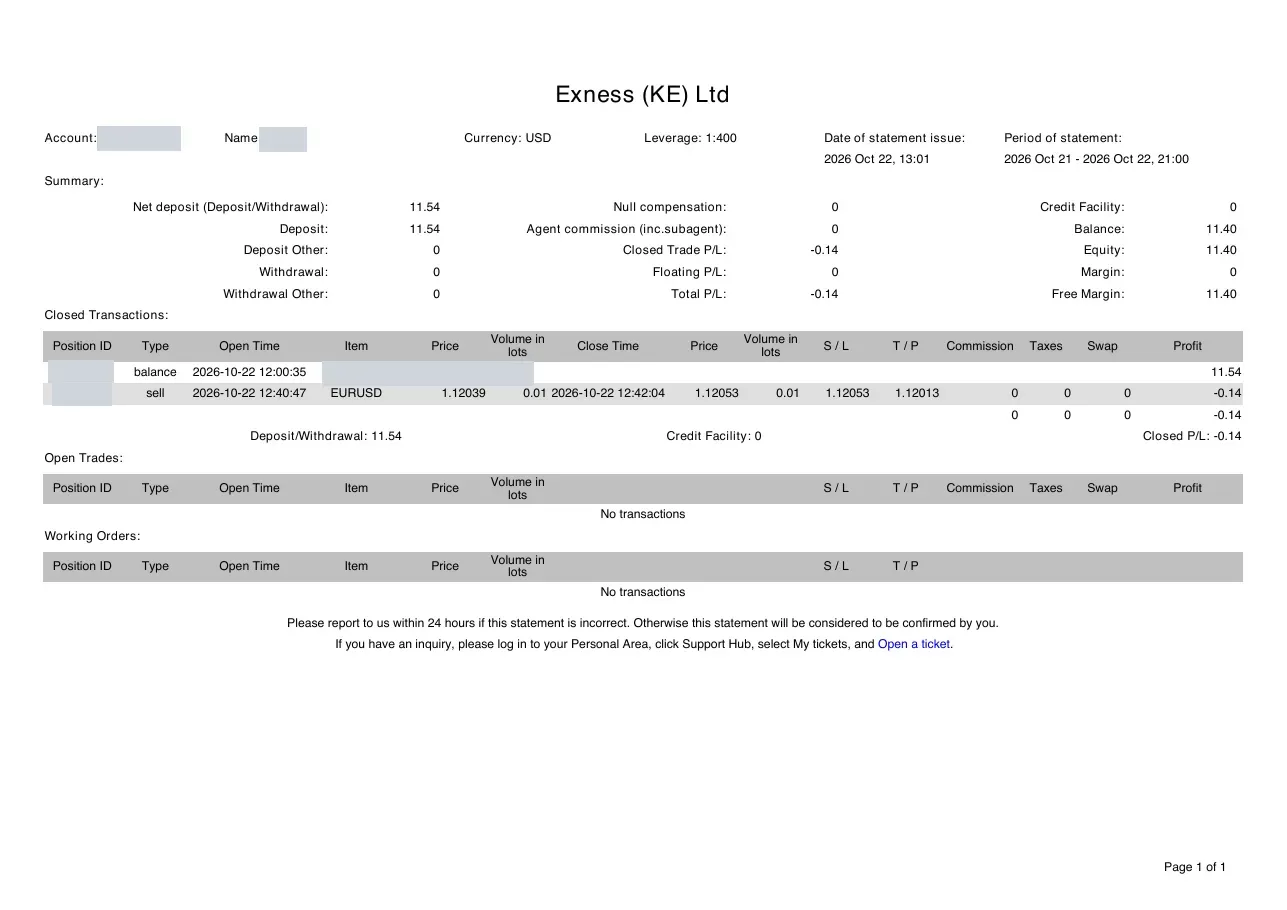
- Leverage: at most 400 times your deposit, so 1:400 is the ceiling (reg. 19(1)). The CMA can revise the ratio by circular (reg. 19(2)), and your broker may offer less.
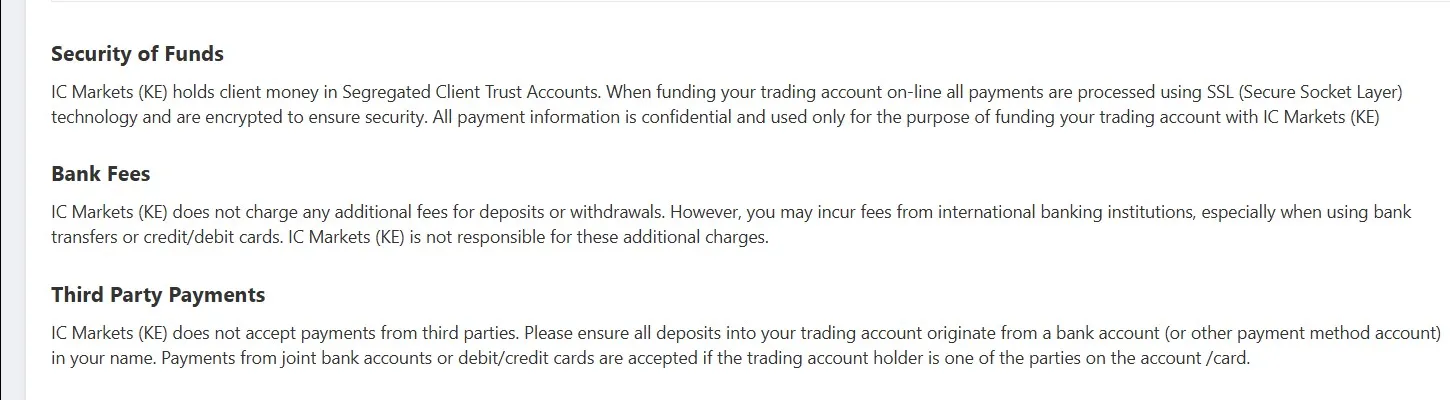
- Client money: held in a segregated client account at a bank licensed under the Banking Act, with no mixing with the firm's own funds (reg. 23(1)), and never used for the firm's margining, hedging or as company assets, including if the firm becomes insolvent (reg. 16(5)(i)).
- Deposits and withdrawals: only through your own client account, and never in cash (reg. 23).
- Risk disclosure: before opening your account, the broker must give you a separate written risk disclosure statement, take your signed acknowledgement and sign a written agreement with you (reg. 22).
- Negative balances: since September 2023 the CMA has required brokers to give clients negative balance protection, which limits your losses to the funds in your trading account, and to close positions at a stop-out level they disclose (Circular No. 03/2023, paras. 6 and 7).
- Capital: paid-up capital of at least KSh 30 million for a non-dealing broker, 50 million for a dealing broker and 10 million for a money manager, and liquid capital of at least KSh 30 million or 8 percent of total liabilities, whichever is higher, for either kind of broker (reg. 5(1)(f) and (g)).
- Supervision and enforcement: the CMA inspects licensees and publishes cautions about firms operating without a licence, such as its caution of 11 September 2026 naming 15 entities.
One limit is worth stating plainly. Segregation keeps your money apart from the firm's own, even if the firm becomes insolvent, but it is not compensation: if client money goes missing, no fund makes up the shortfall. The CMA's Investor Compensation Fund will not fill that gap: section 18 of the Capital Markets Act sets the Fund up to compensate investors when a licensed stockbroker or dealer fails to meet its obligations, the Act treats online forex brokers as a separate category, and the levies that pay into the Fund fall on stockbrokers, dealers and broker dealers trading securities, not on forex brokers (reg. 54(2) of the 2025 Licensing Regulations). No scheme pays for trading losses, or for money handed to an unlicensed firm.
Brokers we review that hold a CMA licence
Every broker in our rankings names a CMA-licensed Kenyan company. That company is not always the one a Kenyan client's account is opened with, so each review names the company your agreement is actually with.
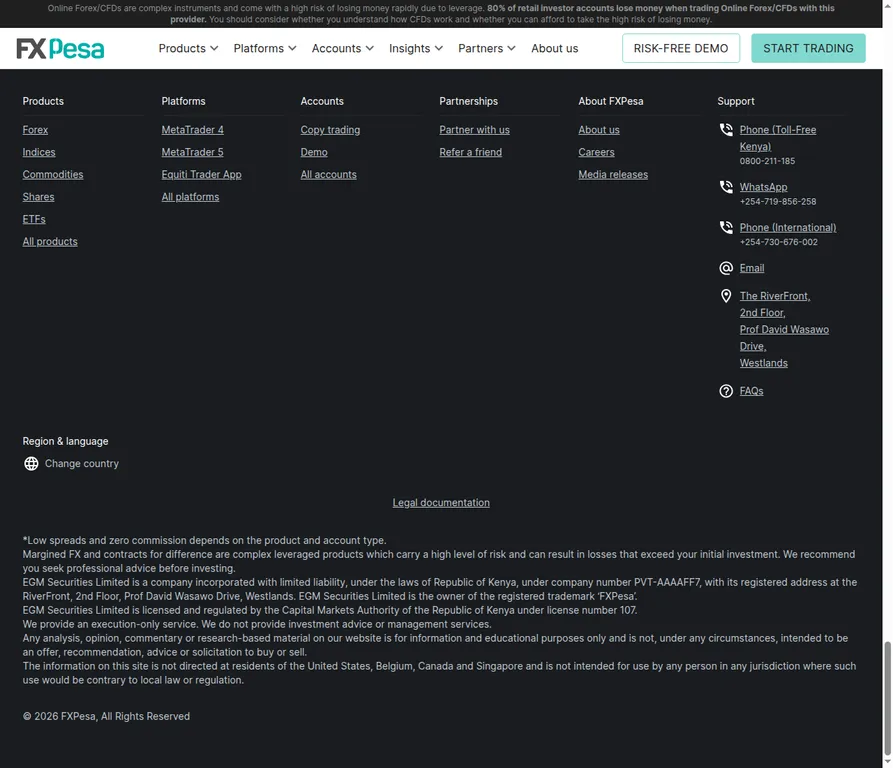
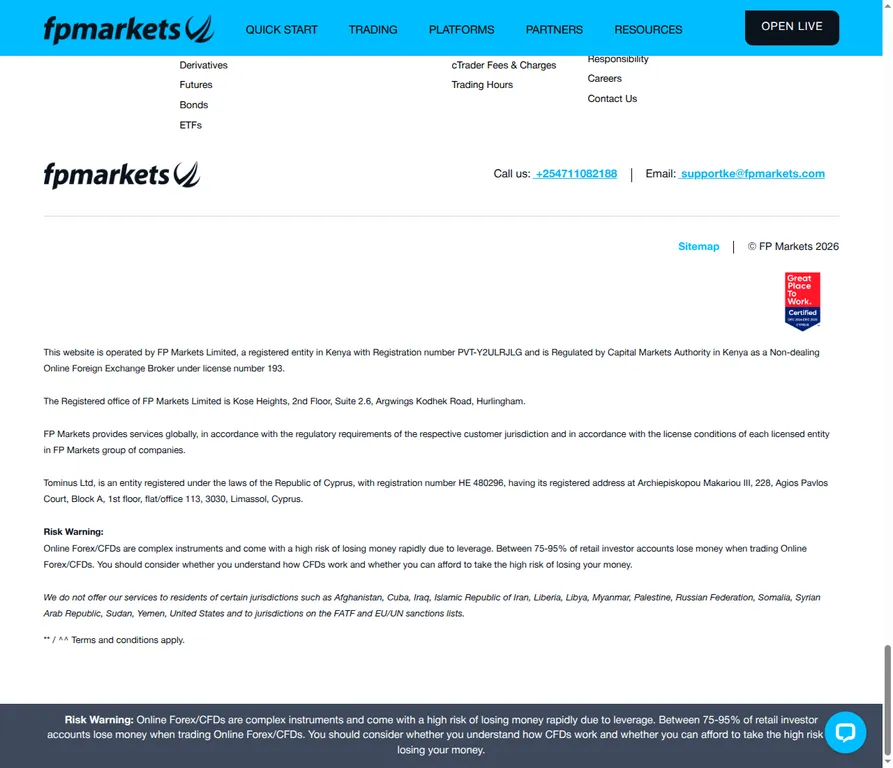
Each also states its company and licence on its own website. These are the footers of the sites we tested.
| Broker | Kenyan company | CMA licence | Last checked on the register |
|---|---|---|---|
| Exness | Exness (KE) Limited | 162 | 23 Oct 2026 |
| Pepperstone | Pepperstone Markets Kenya Limited | 128 | 23 Oct 2026 |
| HFM | HFM Investments Ltd | 155 | 23 Oct 2026 |
| XM | TPXMGLOBAL Kenya Limited | 233 | 23 Oct 2026 |
| IC Markets | IC Markets (KE) Limited | 199 | 23 Oct 2026 |
| Scope Markets | SCFM Limited | 123 | 23 Oct 2026 |
| FP Markets | FP Markets Limited | 193 | 23 Oct 2026 |
| AvaTrade | Ava Trade Kenya Limited | 262 | 23 Oct 2026 |
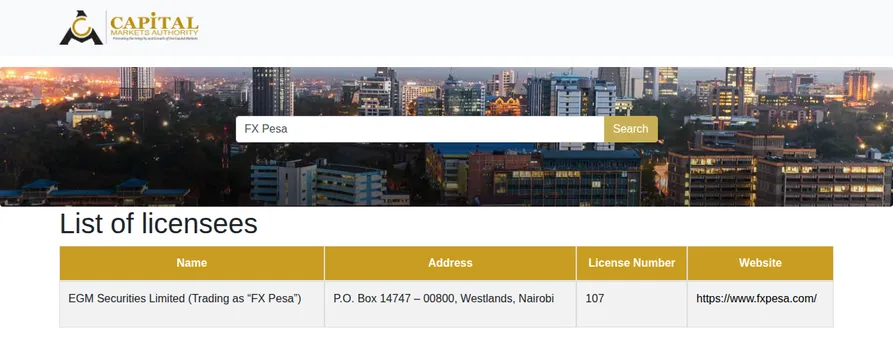
| FXPesa | EGM Securities Limited | 107 | 23 Oct 2026 |
| Admirals | Admirals KE Limited | 178 | 23 Oct 2026 |
How to verify a CMA licence
- Find the exact legal entity name in the broker's client agreement or legal pages, including any suffix.
- Find that name on the CMA's register. It keeps one list per licence: dealing broker, non-dealing broker and money manager, so the list a company is on is its category.
- Confirm the licence number, and that the company is still listed.
- Check that this company is the one that will hold your account, not a sister company in another country.
If a firm claims CMA authorisation but is not on the register, appears under a different company name, or holds a narrower licence than it advertises, stop and get a written explanation before you fund an account.
Scammers also clone genuine firms and quote real licence numbers. Reach the broker through the contact details on the register, not the ones a caller, a social media page or a messaging group gives you.
CMA official siteBroker warning list →How we verify a broker's regulation →