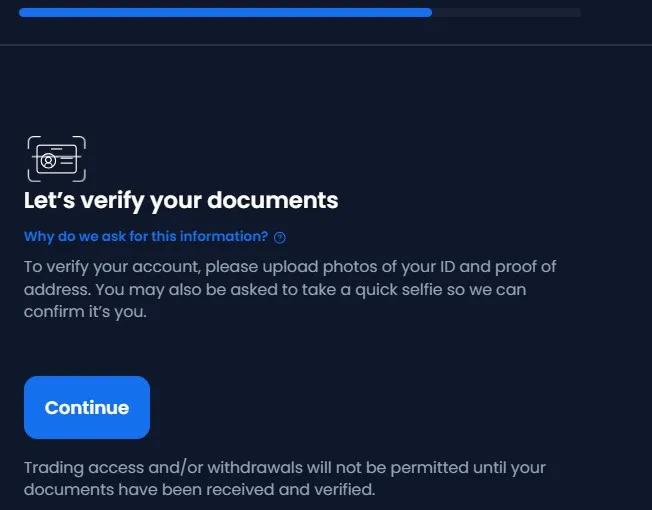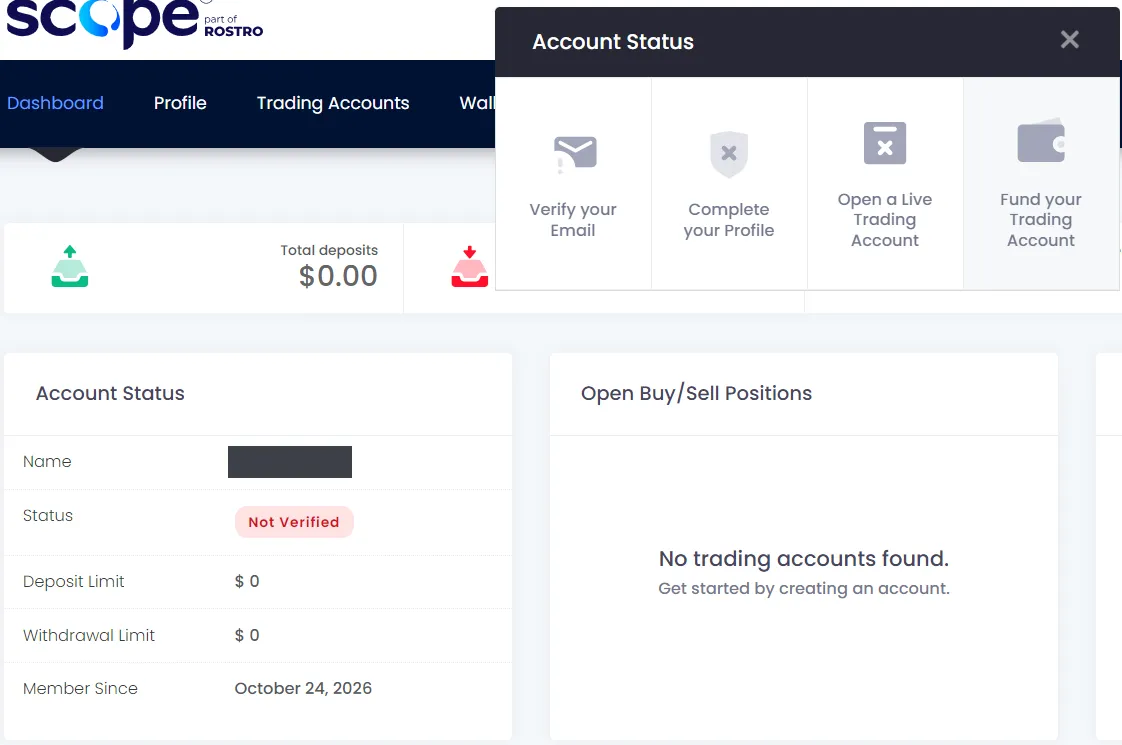
The Financial Reporting Centre (FRC) is Kenya's financial intelligence unit. It does not license or supervise forex brokers, but anti-money-laundering law is why a licensed broker checks who you are before you trade and may ask where your money came from. Knowing that makes those checks easier to pass, and makes a broker that skips them easier to spot.
What the FRC is
The FRC is Kenya's financial intelligence unit, established under the Proceeds of Crime and Anti-Money Laundering Act, 2009 (POCAMLA). It receives and analyses reports of suspicious transactions from reporting institutions, and passes intelligence to the authorities that investigate financial crime.
Reporting institutions include banks and CMA-licensed intermediaries, online forex brokers among them. That is why a licensed broker checks your identity before you trade and may ask where your money came from.
What it means when you open and fund an account
Anti-money-laundering rules explain most of the paperwork a licensed broker asks for:
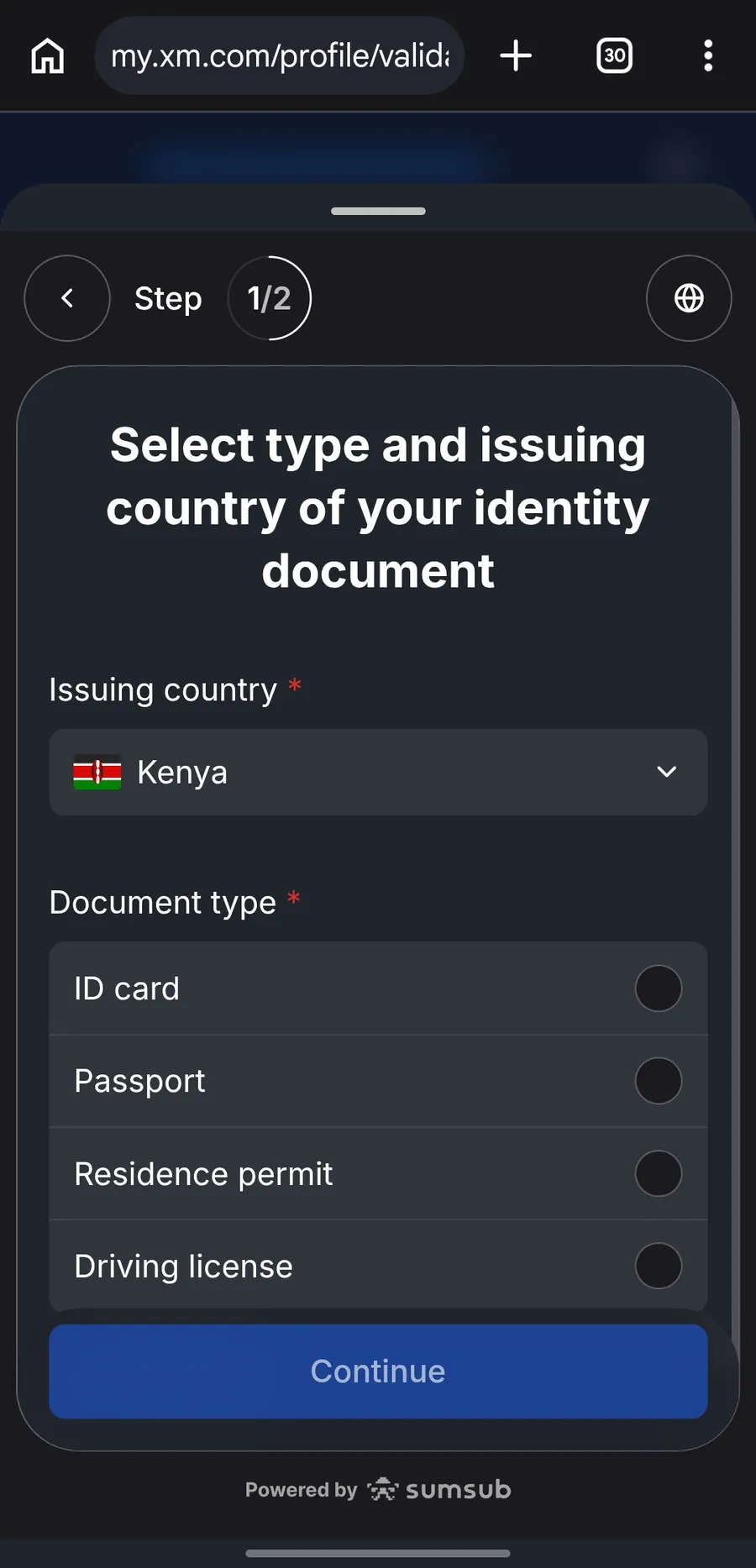
- Identity: a national ID or passport, and often a selfie or video check.
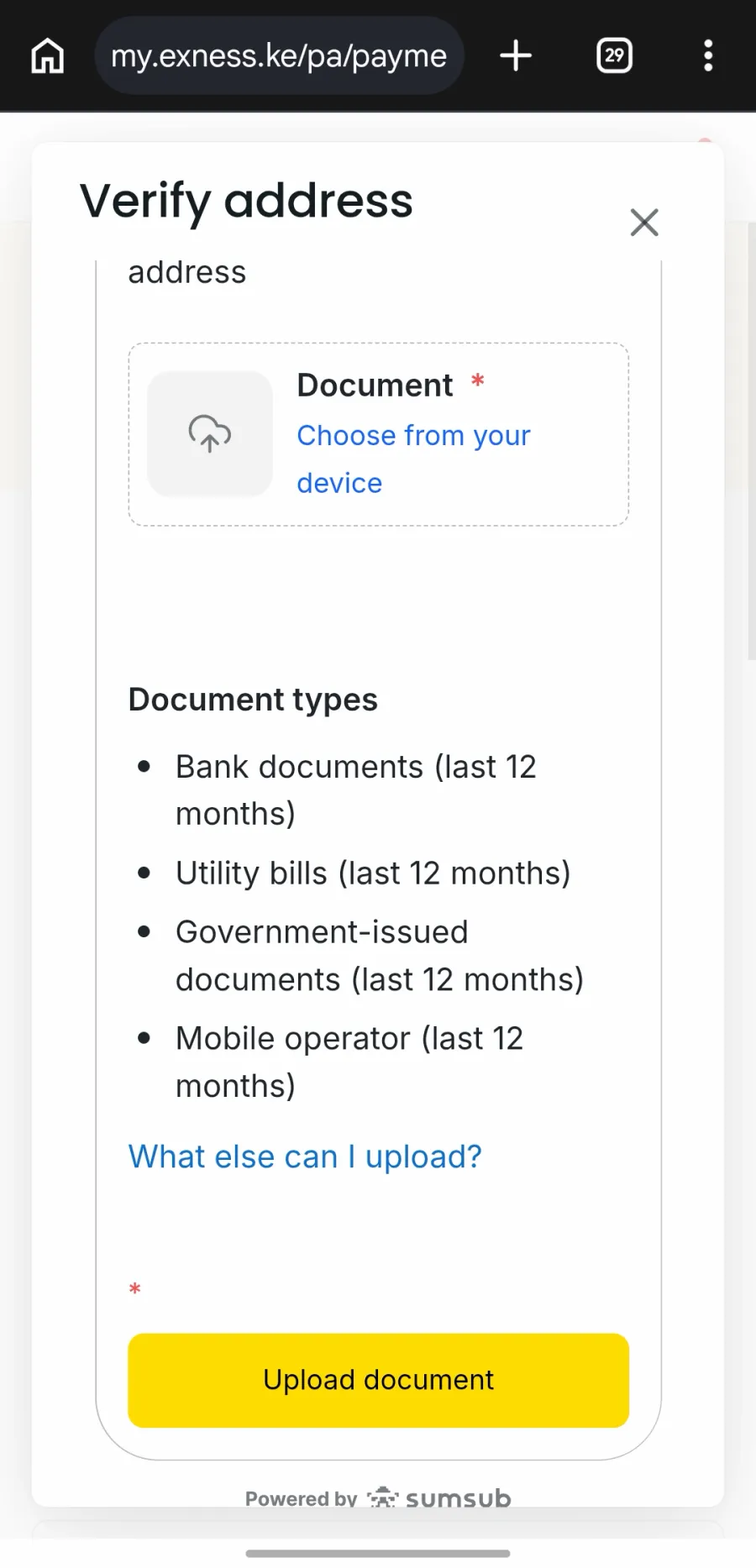
- Address: a recent document showing where you live.
- Source of funds: on a larger deposit, evidence of where the money came from, such as a payslip or bank statement.
- Withdrawals to your own name only: brokers usually pay out to the account or wallet you deposited from.
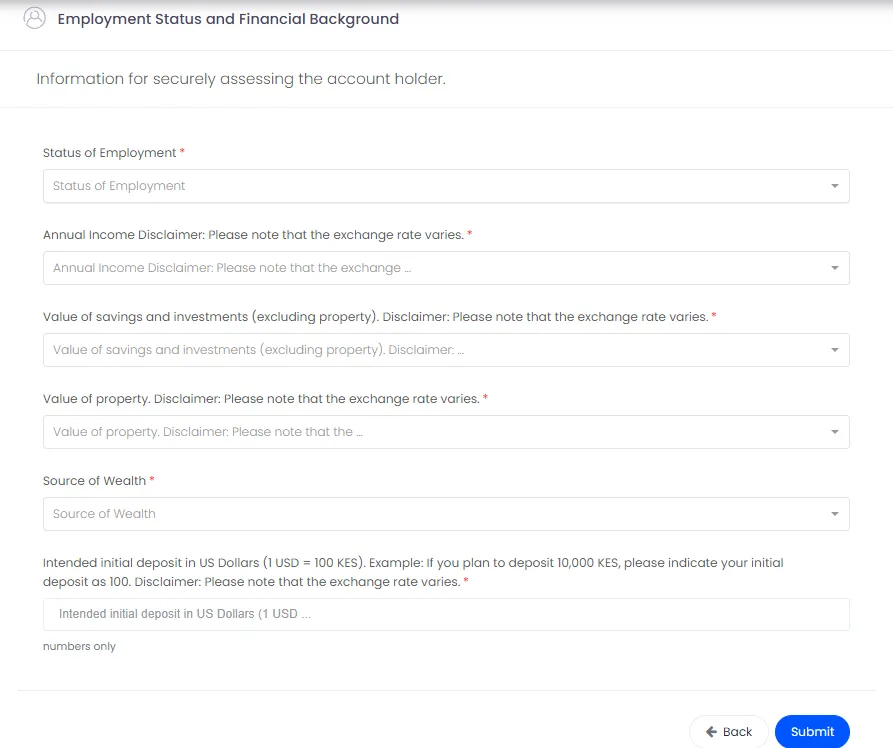
What the FRC does not do
The FRC does not license brokers, set trading rules or handle complaints. A complaint about a licensed broker goes to the broker first, then to the CMA.
A firm that never checks who you are, at any stage, is not doing you a favour: it is a warning sign. Check it against the broker warning list.
Timing varies at licensed brokers. Some of those we tested held us back until the checks were done: one blocked trading and withdrawals, and another set our deposit and withdrawal limits at zero, until our documents were verified. Others let us start first: AvaTrade issued our logins before it asked for our documents, and IC Markets let us fund the account before it had confirmed them, with the review following.